

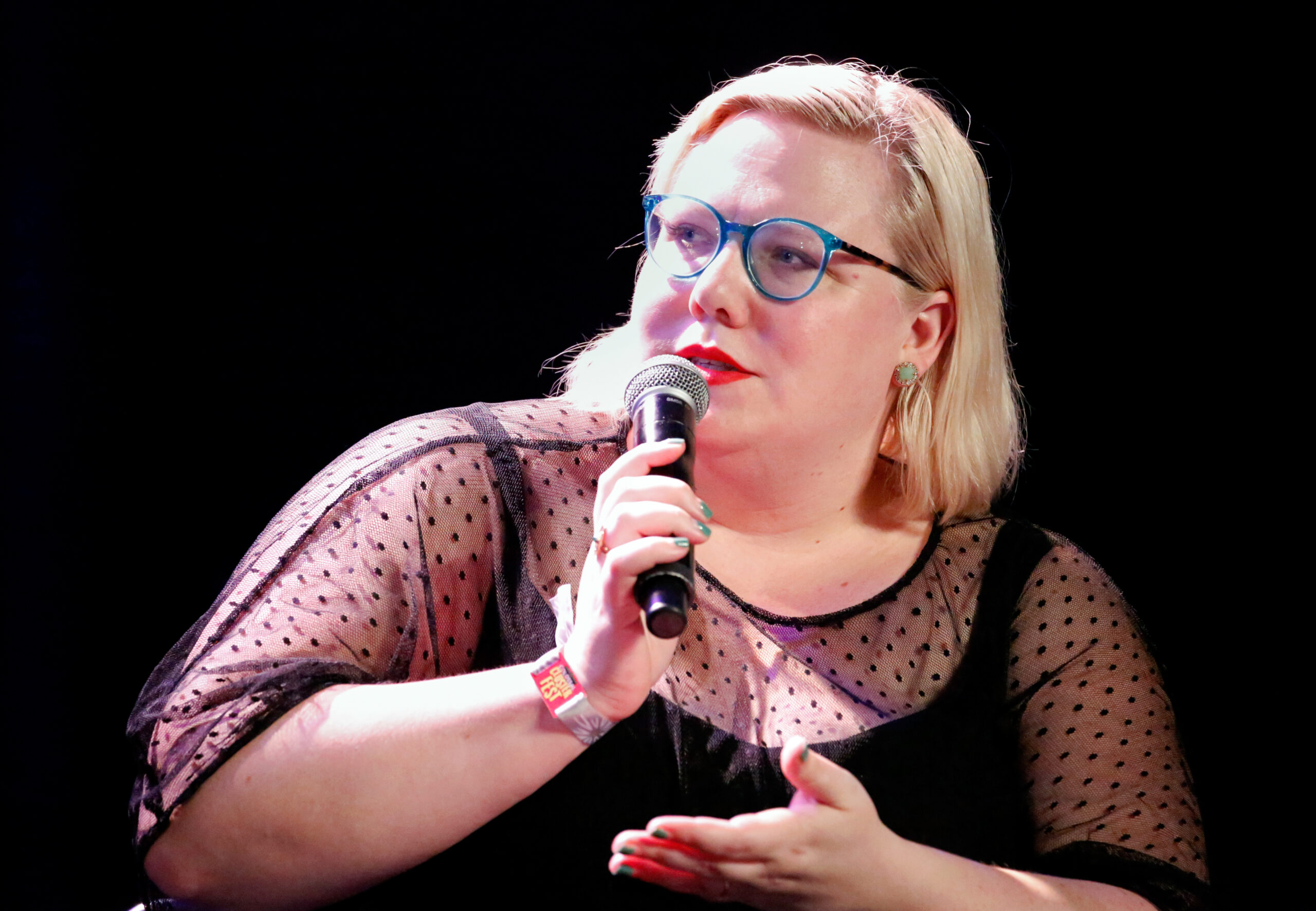
Lindy West’s new memoir, *Adult Braces*, has ignited intense online debate. The book details her journey into polyamory after her husband, Aham, presented it as a condition of their marriage. This personal revelation has divided readers and critics across social media.
The controversy centers on the nature of this transition. Some readers describe the dynamic as “coercive polyamory,” arguing West was reluctantly pressured into the arrangement. West herself has strongly rejected this characterization, asserting her autonomy in the decisions.
The narrative follows Aham developing a relationship with another woman, Roya. Initially distant, West eventually forms her own romantic bond with Roya, reshaping their family structure. The three now live together, a conclusion that has further fueled public discussion.
Criticism has also included irrelevant personal attacks regarding West’s body and her husband’s nonbinary identity. Much of the legitimate debate, however, focuses on the memoir’s portrayal of marital compromise and personal agency.
West is known for a bold, confident public persona. The book reveals a more vulnerable figure, which has led some fans to feel protective. Her personal story has become a proxy for broader audience expectations.
Some commentators have framed the memoir as symbolic of a shift in millennial feminism. This perspective suggests West’s personal choices reflect a larger cultural moment. Others argue one individual’s experience cannot define an entire social movement.
Ultimately, the strong reactions highlight the challenges of writing intimate memoir in a public sphere. The book offers West’s perspective, but readers are left to interpret the complexities of consent and change within a relationship.