

A year into expanded immigration enforcement operations, the impact on American communities is becoming clear. The presence of federal agents has reshaped daily life, local economies, and social trust from coast to coast.
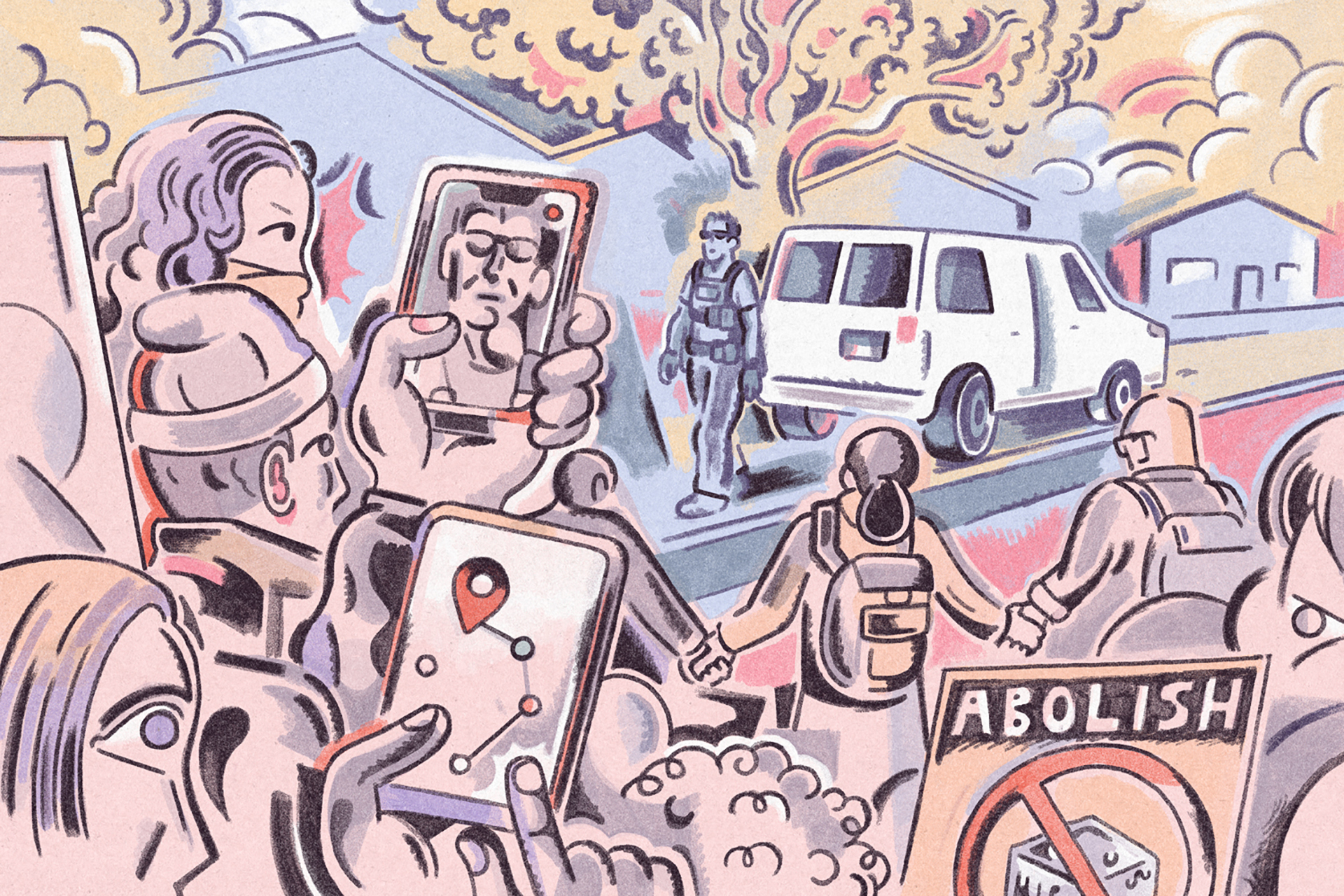
In cities like Charlotte, rumors of ICE surges sparked a new wave of local activism. Residents with no prior organizing experience began training to monitor agents, document interactions, and alert neighbors. Churches and community groups provided blueprints for action, shifting focus to de-escalation as tactics grew more aggressive.
This grassroots response represents a change from the mass protests of the past. The defining resistance now often involves individual actions: recording agents with smartphones or using car horns as warnings. Networks formed quickly, demonstrating a nimble, community-based model of protection.
The economic consequences have been severe, particularly in immigrant business districts. Chicago’s Little Village, a major commercial corridor, saw sales plummet by over half during enforcement operations. The drop in tourist visits and local spending mirrored the shock of pandemic shutdowns, but without equivalent federal relief programs.
Nationally, the economic ripple effects are significant. For the first time in fifty years, net immigration has turned negative. Analysts warn this could reduce consumer spending by tens of billions of dollars and increase costs in key industries like agriculture and construction.
Beyond economics, a pervasive sense of wariness has altered social behavior. In places with long histories of immigration enforcement, like Phoenix, many residents report changing daily routines. Carrying identification at all times and formulating family contingency plans have become common, even among citizens.
This climate has fostered difficult conversations and preemptive actions. Some families have developed multiple plans, ranging from legal defense to funeral arrangements, for relatives at risk of detention. The psychological toll includes keeping children home from school and delaying medical care over fears of encountering authorities.
Despite the fear, a sense of resilience and unity has emerged in affected communities. New bonds have formed among neighbors and across different segments of the Latino population. Many express a hardened readiness, believing the experience has equipped them to respond if federal agents return.