

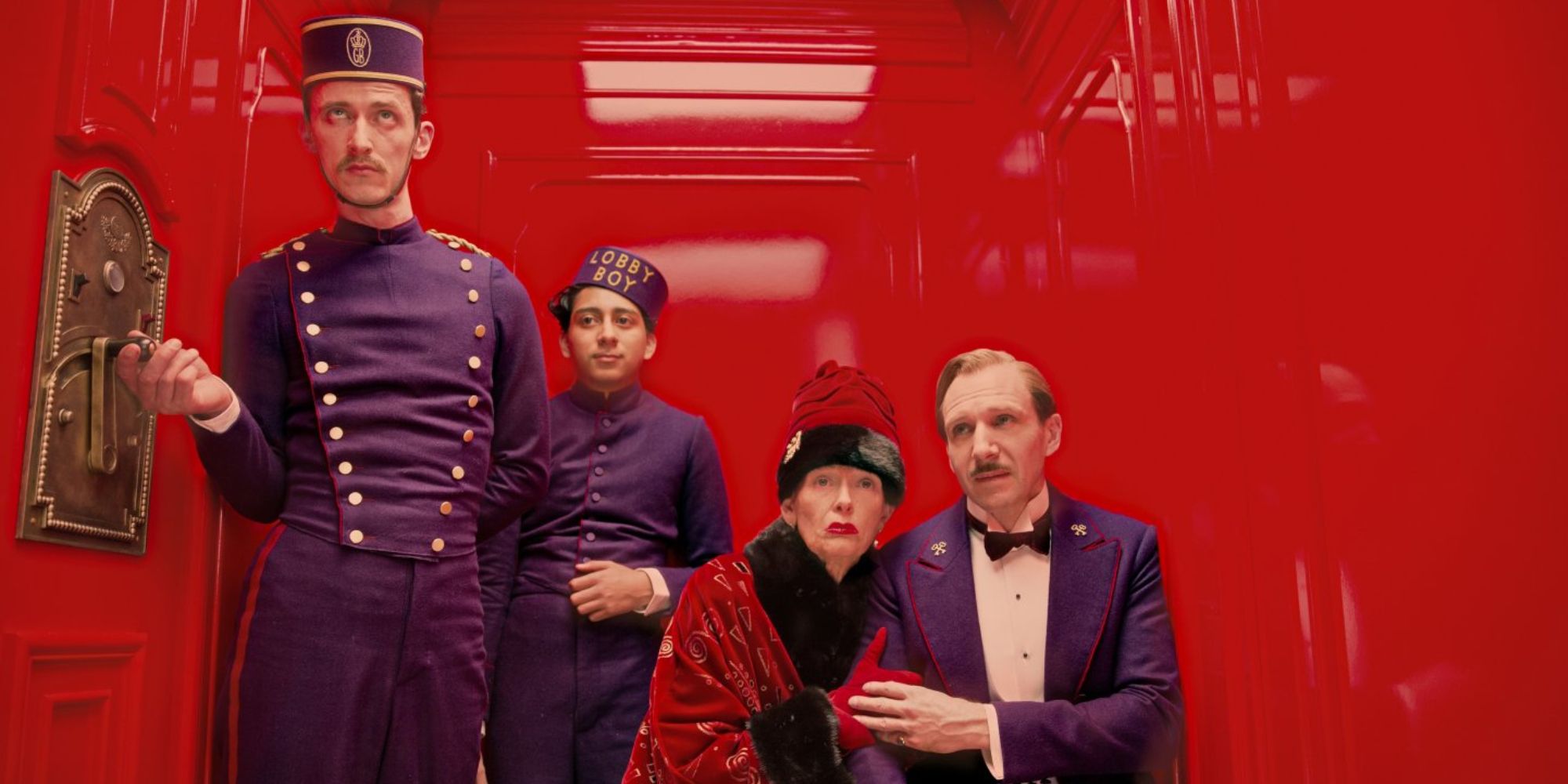
Certain films achieve a visual standard where each frame could stand alone as a work of art. These movies are celebrated for their meticulous composition, color theory, and profound influence on cinematic aesthetics.
*The Grand Budapest Hotel* is renowned for its symmetrical, painterly frames and a distinctive pastel color palette. Each scene functions as a carefully constructed tableau.
In *2001: A Space Odyssey*, the cinematography merges stark minimalism with groundbreaking special effects. The visual language is both vast and precise, creating iconic imagery that has endured for decades.
*The Wizard of Oz* represents a landmark in the use of Technicolor. Its transition from sepia tones to vibrant color remains a powerful and symbolic visual achievement.
The film *Speed Racer* employs a hyper-saturated, kaleidoscopic visual style. Its digital composition creates a living, breathing comic book aesthetic that is uniquely kinetic.
Other films frequently noted for their exemplary cinematography include *Blade Runner 2049*, for its atmospheric lighting and scale, and *The Fall*, celebrated for its location photography and vivid, natural color.
These works demonstrate how directorial vision and cinematographic craft can elevate narrative into a visual experience. They are studied for their technical mastery and their lasting impact on the art of filmmaking.