

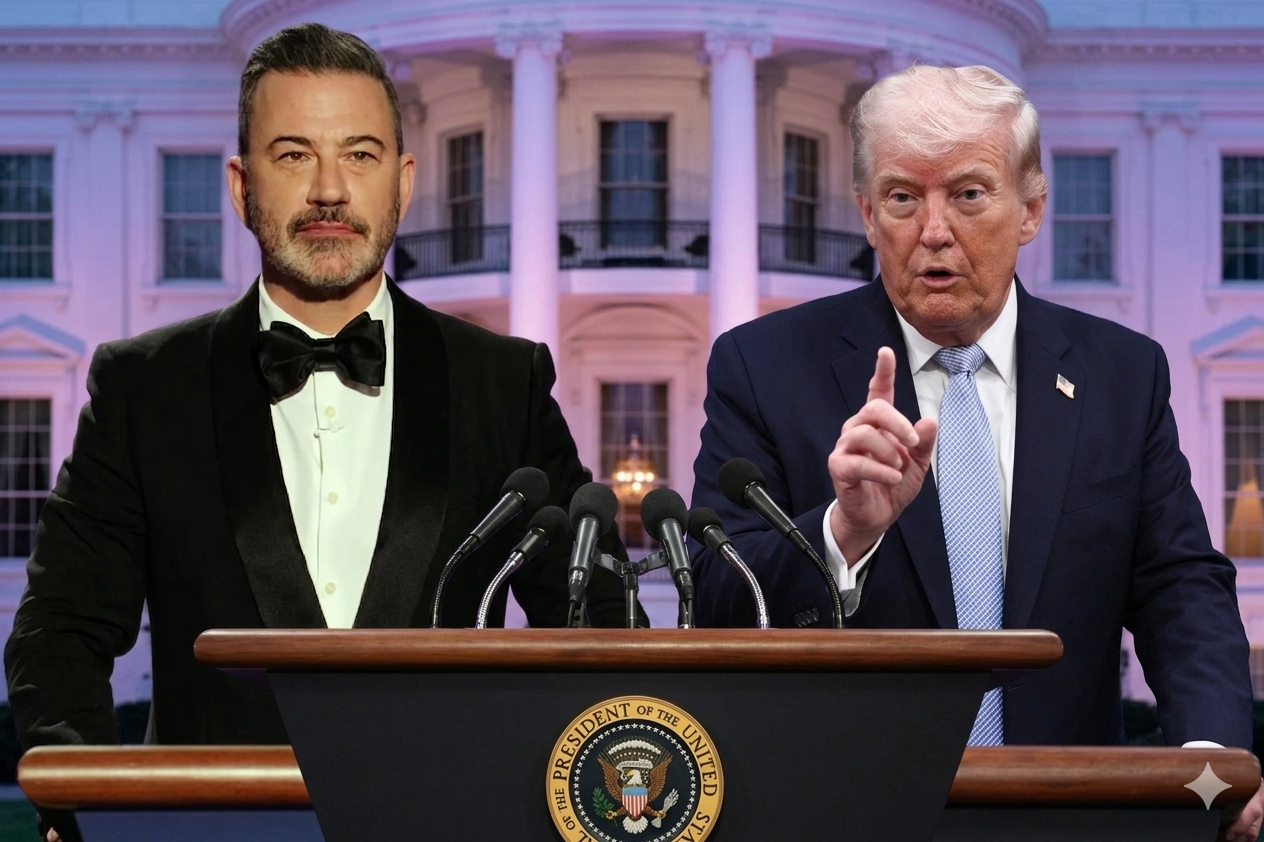
Late-night host Jimmy Kimmel has stirred controversy after delivering a sharp comedic attack on Donald Trump during his Wednesday night show.
The 58-year-old comedian aired a satirical segment styled as a mock pharmaceutical advertisement. The fictional product, called “Rezyne,” was used as a vehicle to ridicule the president’s physical condition and cognitive ability.
The sketch opened with a narrator describing the challenges of aging, accompanied by footage suggesting Trump appearing drowsy during official settings. It then escalated into pointed jokes about memory loss, declining energy, and political pressures.
The parody also referenced Trump’s leadership responsibilities, suggesting the imaginary drug could free him from intelligence briefings and questions about global conflicts. The tone blended political satire with exaggerated humor, a hallmark of late-night television.
The segment quickly drew attention online, with critics accusing Kimmel of crossing the line by targeting personal health issues. Supporters, however, defended the comedian’s approach as typical political satire protected under free speech.
Watch here.
View this post on Instagram
Trump called on network executives at ABC to take action over the comment, intensifying the feud between the president and the late-night host.
In response, Kimmel issued an apology, clarifying that his remark had been misinterpreted and was not intended to suggest harm. He acknowledged the sensitivity of the joke and expressed regret for any offense caused to the president and the First Lady.
The latest skit adds fuel to an ongoing debate about the boundaries of political comedy in a deeply polarized media landscape. While late-night shows have long served as platforms for satire, critics argue that personal attacks risk overshadowing substantive political discussion.
As reactions continue to unfold, the incident highlights the growing tension between entertainment and politics, where humor often walks a fine line between commentary and controversy.