

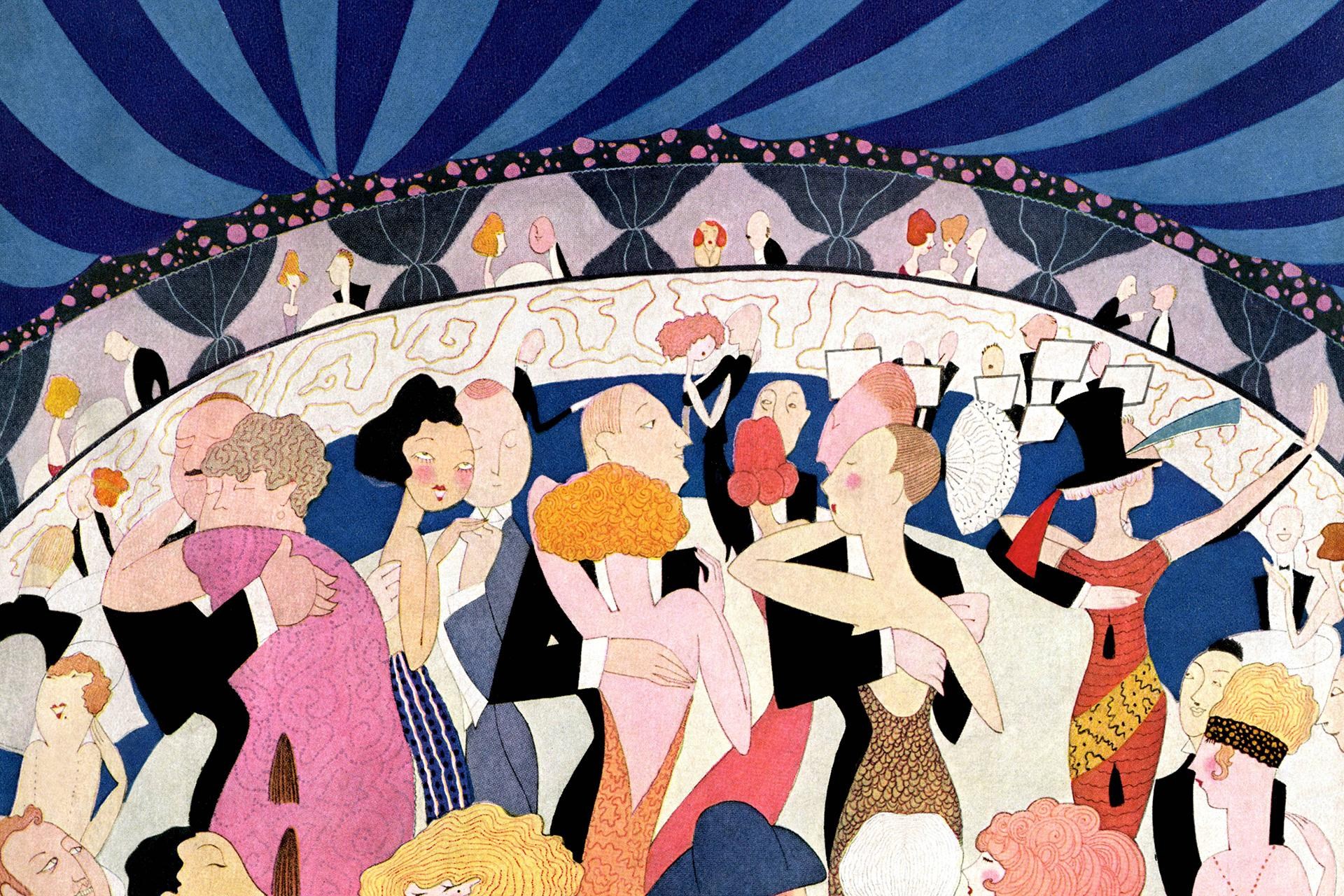
A loneliness epidemic is sweeping the United States. More than half of Americans report feeling isolated, and social gatherings are becoming less frequent. In 2023, only about 4 percent of adults attended a party on a weekend or holiday.
Party historian Imogen Willetts argues this moment is unusual. In her book *Up All Night: A History of Going Out*, she explains that nightlife has deep roots in human history. For most of that history, drinking, dancing, and hedonism were part of religion itself.
Medieval church services in England were often rowdy affairs. Feast days included drinking and dancing, and wooden pews may have been installed at Wells Cathedral to calm the crowds. Religion contained hedonism comfortably for centuries.
Modern nightlife began in seventeenth-century Japan. Commercial party districts like Yoshiwara, built outside Edo, operated independently of both religion and the royal court. These spaces marked a new era of secular social gathering.
Sociologist Émile Durkheim coined the term “collective effervescence” in 1912. It describes the euphoric feeling people share at concerts, sports matches, and on dance floors. As societies grow more secular, nightlife fills a vital need for communal joy.
Parties have also driven cultural shifts. Abstract expressionist artists met at New York’s Cedar Tavern to exchange ideas and sell work. Dance floors produced the can-can, disco, and techno, proving nightlife propels artistic innovation.
Private homes have long hosted important parties. Turn-of-the-century New Orleans held Saturday fish fries, where families charged entry to pay rent. Harlem rent parties in the 1920s offered similar gatherings that Langston Hughes found more exciting than any club.
Great parties share key elements. Good music, good lighting, and an atmosphere where anything can happen top the list. Guests should feel free to behave differently and embrace a little wildness.
The appeal lies in shedding daily life. A kitchen becomes a cocktail bar; a living room becomes a dance floor. That slight disorder makes people feel alive.