

Striving to be a perfectly good person can lead to paralysis rather than progress. This pattern, known as moral scrupulosity, involves constant worry about doing the most good possible. It often backfires, making it harder to act at all.
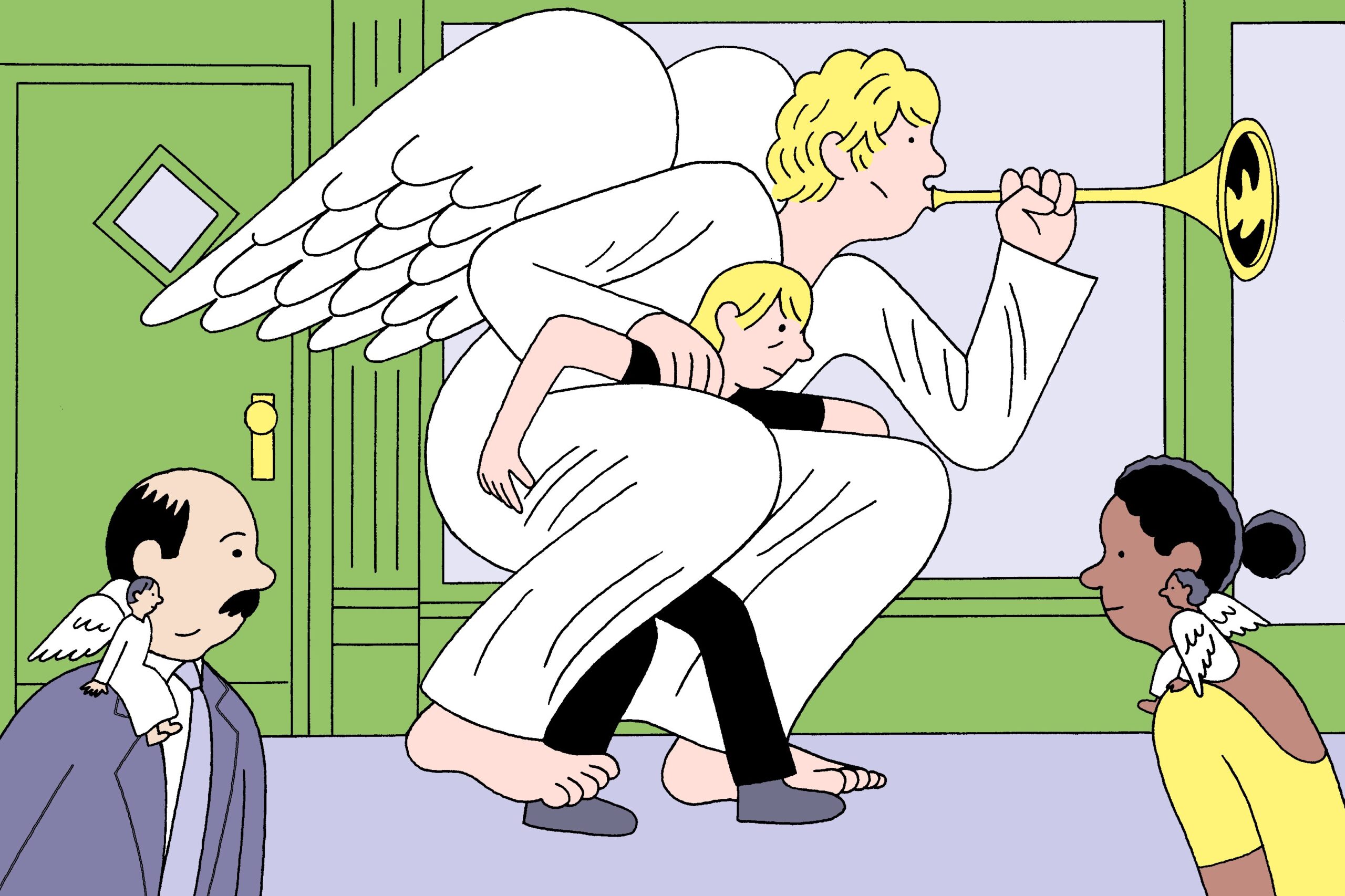
An ancient rabbinic story offers a different perspective. When God prepared to give the Bible to humans, angels objected, arguing that flawed mortals were unworthy. Moses countered that angels cannot understand commandments about jealousy, honoring parents, or resting from work.
The story suggests humans are not meant to become angels. Perfect beings are static and do not grow through difficult choices. Humans, with their flaws and feelings, are invited to use their capabilities in more meaningful ways.
Modern moral philosophy often pushes a maximizing mindset. Utilitarianism, for example, demands the greatest good for the greatest number. This approach treats ethics as an optimization problem requiring perfect calculation.
But humans hold multiple values that frequently conflict. A woman cannot simultaneously become a nun and a mother. These options are incommensurable, meaning no single measure can determine which is better. Perfect optimization is impossible.
Trying to optimize everything exhausts mental resources and can lead to burnout. A humbler goal is more realistic: live in line with your values as best you can. This reduces the pressure to find a knowably best decision in every situation.
Self-compassion does not lead to moral laziness. Research shows self-compassionate people acknowledge mistakes more readily. They apologize, make amends, and try harder next time. Mistakes feel less damning, so they take more responsibility, not less.
The Hebrew word for sin, lachto, actually means “to miss the mark.” Like an archer buffeted by wind, humans are shaped by countless conditions beyond their control. Missing the target is normal and deserves compassion.
Yom Kippur is traditionally one of the happiest days of the year. According to rabbinic teaching, God congratulated Moses for shattering the first tablets. The second tablets were a human-divine collaboration, containing stories and interpretations, not just rules.
This teaches that a simple list of moral rules cannot capture life’s complexity. God chose messy humans over perfect angels anyway. The invitation is to collaborate, embrace humanness, and accept imperfection.
Aim your arrows as true as you can, capturing as much of what you value as possible. Once released, let the arrow be. If you miss the mark, that is okay. You are not an angel or a perfect optimizing machine.
You are human, doing the best you can with what you have. Ancient wisdom holds that this is good enough for God. Let it be good enough for you, too.