

The 30-Day Countdown: Trump’s FCC Orders Early ABC License Review Following Kimmel Controversy
The Federal Communications Commission, led by Chairman Brendan Carr, has sent shockwaves through the broadcasting industry by pulling forward the license renewals for eight major ABC stations, including those in New York and Los Angeles. While the FCC cites an ongoing investigation into Disney’s Diversity, Equity, and Inclusion (DEI) practices as the catalyst, the timing has drawn intense scrutiny from free-speech advocates and legal experts alike.
The “Expectant Widow” Remark
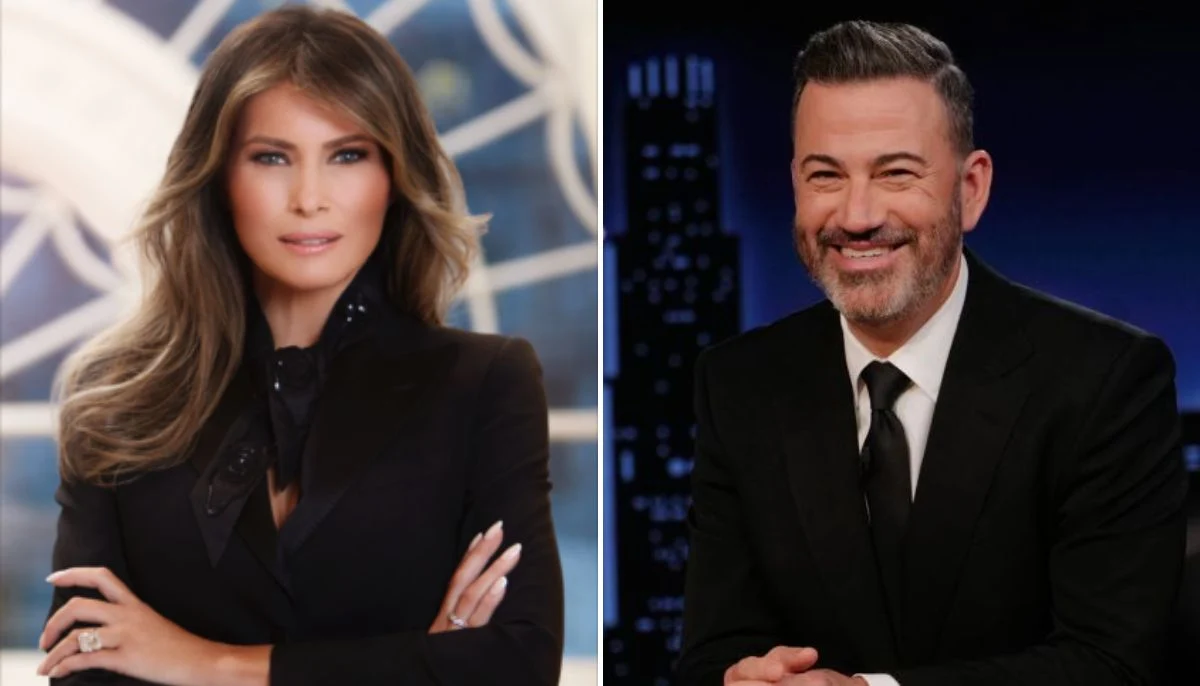
The regulatory action comes just days after a firestorm erupted over a joke made by Jimmy Kimmel. During a parody of the White House Correspondents’ Dinner, Kimmel referred to First Lady Melania Trump as having the “glow of an expectant widow.”
The Backlash: Melania Trump condemned the joke as “hateful and violent rhetoric,” while President Trump took to social media to demand that Disney and ABC fire the late-night host immediately.
The Incident: The controversy was exacerbated by its timing; only days after the joke aired, an armed suspect attempted to enter the actual White House Correspondents’ Dinner, leading to an assassination attempt charge.
The DEI Investigation and Legal Standing
FCC Chairman Brendan Carr has pivoted the focus to Disney’s internal policies, suggesting that the company may be in violation of federal rules against “unlawful discrimination.” Carr has stated that the agency has the authority to call in licenses early if they believe it is “essential to the proper conduct of an investigation.”
However, the move has met fierce internal and external resistance:
The Dissent: Commissioner Anna M. Gomez, the lone Democrat on the FCC, called the order “unprecedented, unlawful, and going nowhere,” labeling it a “political stunt.”
The Defense: A Disney spokesperson reaffirmed the company’s long-standing record of compliance, stating they are prepared to defend their qualifications under both the Communications Act and the First Amendment.
A Precedent-Setting Battle
The outcome of this May 28 deadline could define the future of broadcast regulation in the US. Critics, including Senator Elizabeth Warren, argue that the administration is using the FCC as a “sword” to intimidate news organizations that air content unfavorable to the President. As the legal battle looms, the broadcasting sector is watching closely to see if satire and corporate policy will indeed become grounds for license revocation—an outcome that has historically been exceedingly rare in American history.