

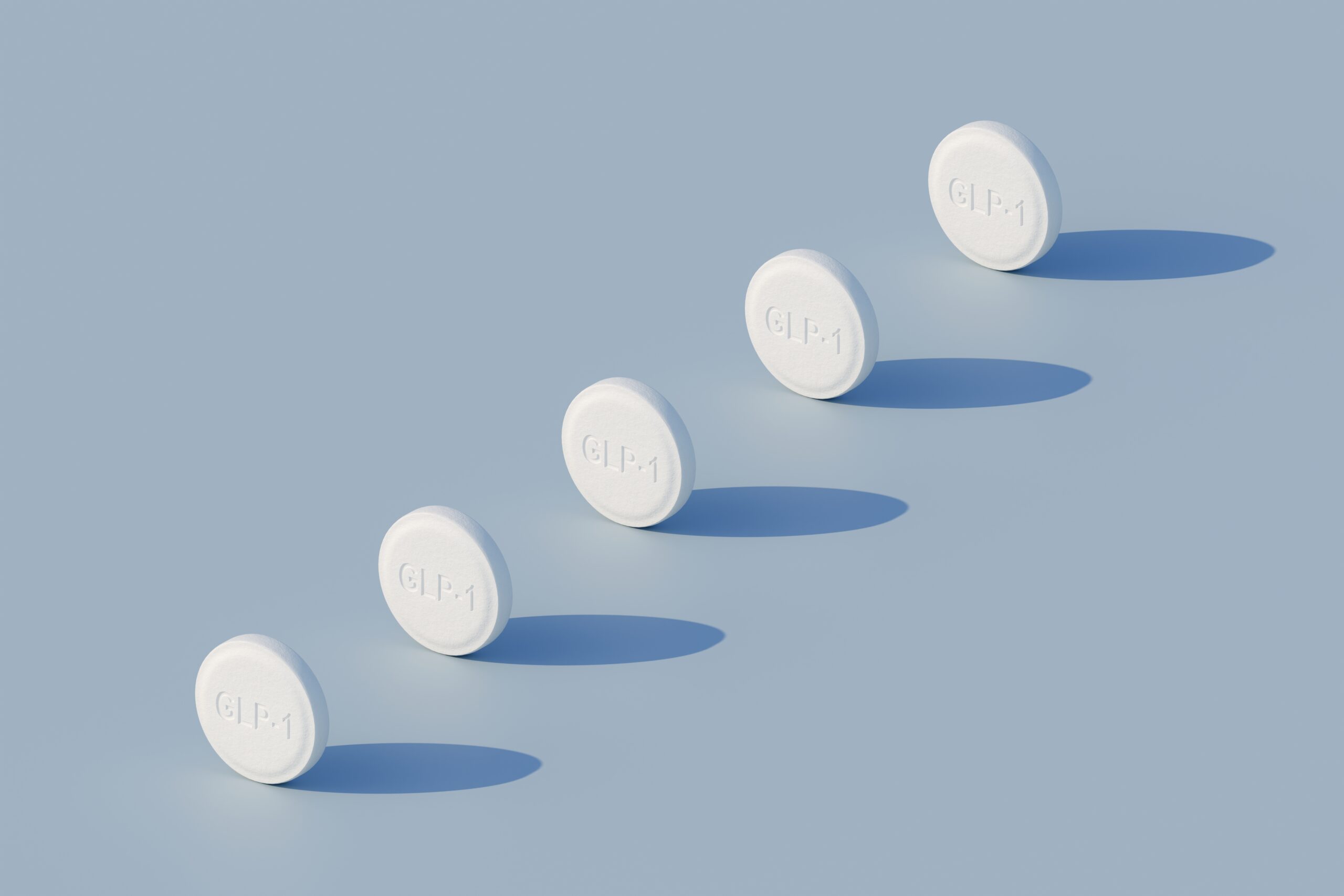
The Food and Drug Administration has approved Eli Lilly’s oral GLP-1 weight-loss medication. Marketed as Foundayo, this pill represents a significant shift from previous injectable treatments.
This approval addresses a key barrier: needle aversion. While cost and safety concerns also influence uptake, the convenience of a pill could expand access for many patients.
The new formulation is a small-molecule drug, similar to common medications like statins. This differs from existing peptide-based pills, which have more complex storage and dosing requirements.
Manufacturing a small-molecule drug is typically easier and less costly. Lilly anticipates this will lead to a more reliable supply, helping to alleviate the shortages that have periodically affected the GLP-1 market.
In terms of efficacy, clinical trials show average weight loss around 12 percent. This is comparable to earlier injectables like Ozempic, though slightly less than newer options such as Zepbound.
The primary advantage is convenience and potential for long-term adherence. A daily pill may integrate more easily into a patient’s routine than a weekly injection, possibly helping with weight maintenance.
Pricing and insurance coverage remain hurdles. The initial cost is set at $149 for a one-month supply, with refills at $299. While some insurance plans are covering it, access is not yet universal.
Common side effects include gastrointestinal issues and muscle loss. Proper medical supervision and lifestyle support are crucial to managing these risks, especially with the rise of virtual prescribing services.
The healthcare system must adapt to support patients holistically. Effective use of these drugs often requires coordinated care involving diet, exercise, and ongoing monitoring.
This pill is not the final evolution of GLP-1 therapy. New combinations and formulations are in development, aiming for greater efficacy or reduced side effects.
Treatment may become increasingly personalized. The choice between a pill or injection could depend on individual weight-loss goals, convenience, and other health conditions.
The arrival of an oral GLP-1 marks a pivotal moment in obesity care. Its success will depend on broader access, affordability, and comprehensive patient support.