

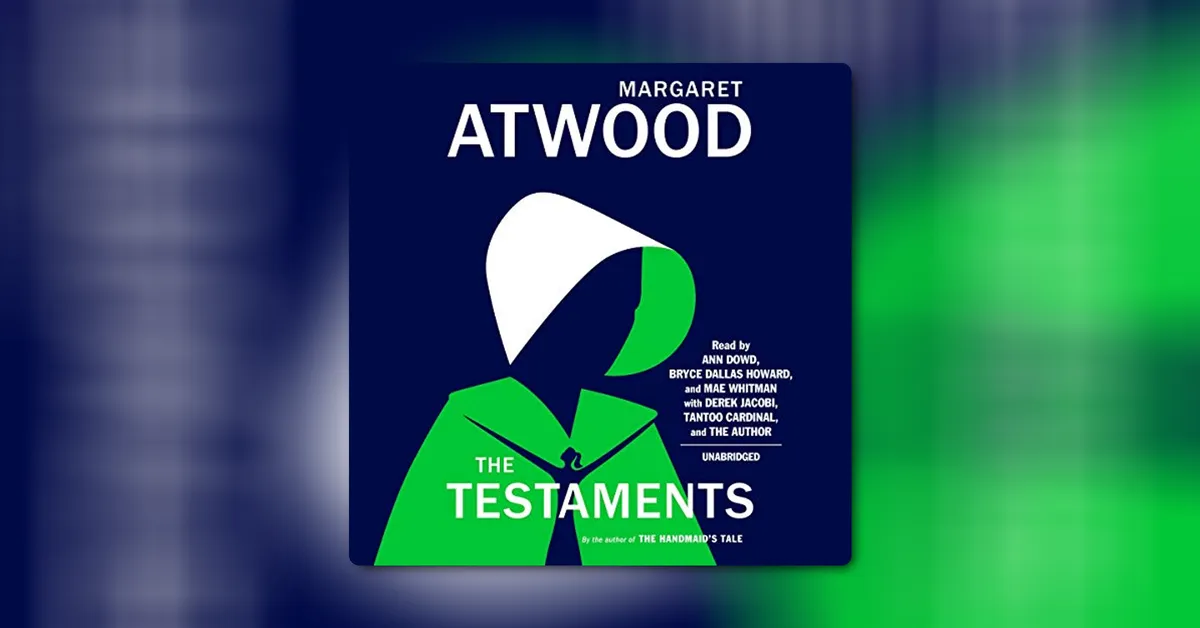
Margaret Atwood’s “The Testaments” returns readers to the oppressive theocracy of Gilead. This sequel shifts focus to a new generation navigating its brutal structures.
The narrative unfolds through three distinct female perspectives. Their interconnected stories reveal the regime’s inner workings and fractures.
Unlike its predecessor, the novel explores life beyond the central handmaid system. It delves into the lives of those raised within Gilead’s dogma.
The book serves as both a continuation and an expansion of the original world. It answers lingering questions about Gilead’s eventual fate.
Its publication coincided with renewed cultural relevance for the franchise. The television adaptation further amplified its impact.
The sequel garnered significant critical acclaim, including a Booker Prize. It was praised for its narrative tension and timely themes.
“The Testaments” solidifies Atwood’s dystopian vision as a enduring cultural touchstone. It proves the unsettling world of Gilead remains powerfully resonant.