

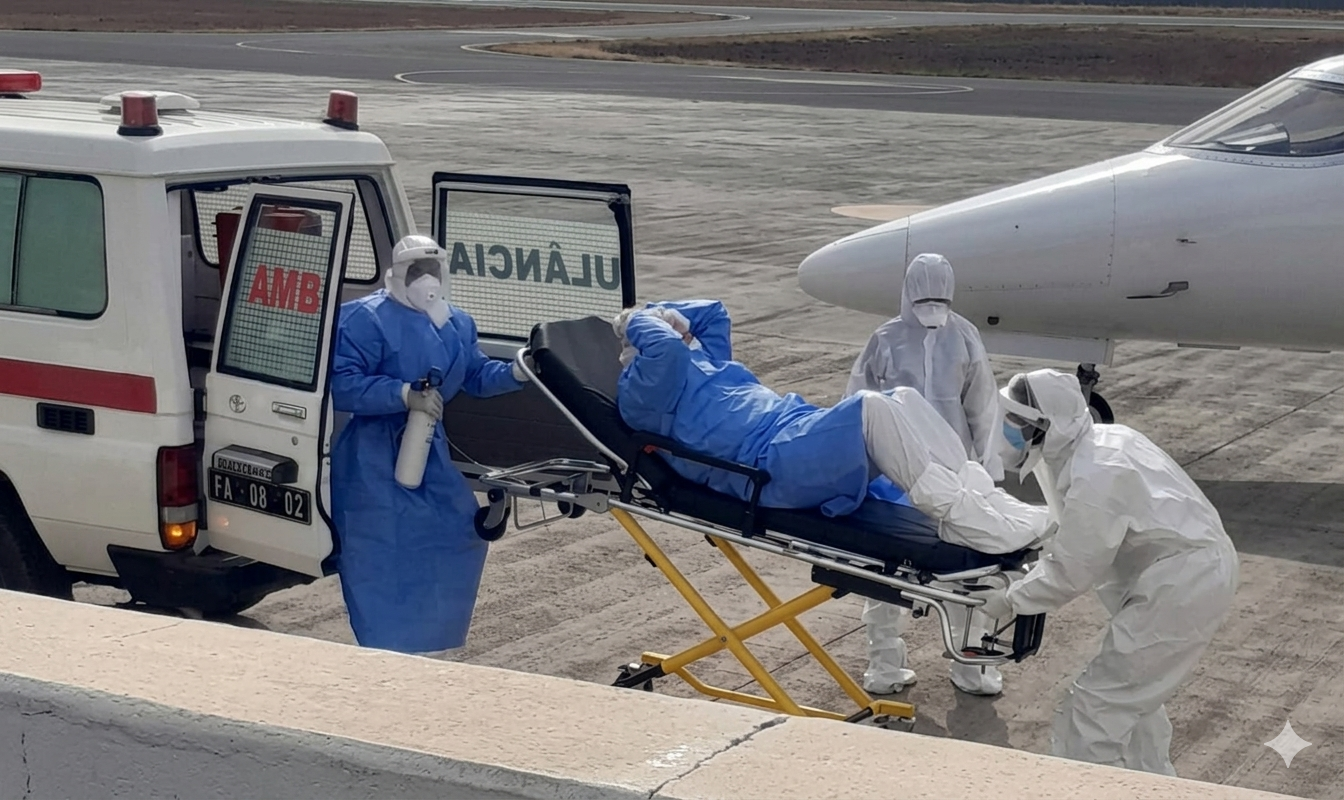
The luxury of a South American cruise turned into a medical emergency this week as an outbreak of Hantavirus was confirmed aboard the MV Hondius. The ship, which departed from Argentina, became the center of global attention after multiple passengers fell ill with the rodent-borne disease.
Tragically, health authorities have confirmed that three passengers have passed away from the virus, sparking immediate comparisons to the early days of the COVID-19 pandemic.
Understanding Hantavirus
Hantavirus is a severe respiratory and renal disease. Unlike airborne viruses that travel easily through casual contact, Hantavirus is typically transmitted to humans through:
Nearly 40 cruise passengers exposed to a deadly virus may have already scattered across the globe — as authorities scramble to track them down.
Dozens left the MV Hondius ship without contact tracing after a hantavirus outbreak that’s already killed at least three people.
The… pic.twitter.com/gXEKtgNyDY
— Fox News (@FoxNews) May 7, 2026
Infected Rodents: Exposure to the urine, droppings, or saliva of infected mice or rats.
Aerosolization: Breathing in contaminated dust when rodent waste is disturbed.
Symptoms: High fever, muscle aches, nausea, and the rapid buildup of fluid in the lungs.
Read more ; My Person Always Millie Bobby Brown Shares Rare PDA for Jake Bongiovi’s 24th Birthday
Why the WHO Says This is Not The Next COVID
While the deaths on the MV Hondius are tragic, global health experts are urging the public not to panic. The World Health Organization (WHO) has categorized this as a “limited outbreak” rather than a burgeoning pandemic.
Maria van Kerkhove, a lead epidemiologist, emphasized that the biological reality of Hantavirus makes it very different from the coronavirus:
“This is not the same situation we were in six years ago. It doesn’t spread the same way. It’s very different—it requires the kind of close, intimate contact or direct environmental exposure that we’ve seen in these specific cases.”
Status of the MV Hondius
The ship is currently under strict quarantine protocols as health officials conduct a deep cleaning and attempt to trace the source of the rodent infestation. Most Hantavirus cases are isolated to rural areas where humans and rodents live in close proximity, making a concentrated outbreak on a modern cruise ship a rare and “chaotic” event for the travel industry.
For the general public, the risk remains extremely low. Experts suggest that while vigilance is necessary in areas with high rodent populations, the world is not on the brink of another global lockdown.