


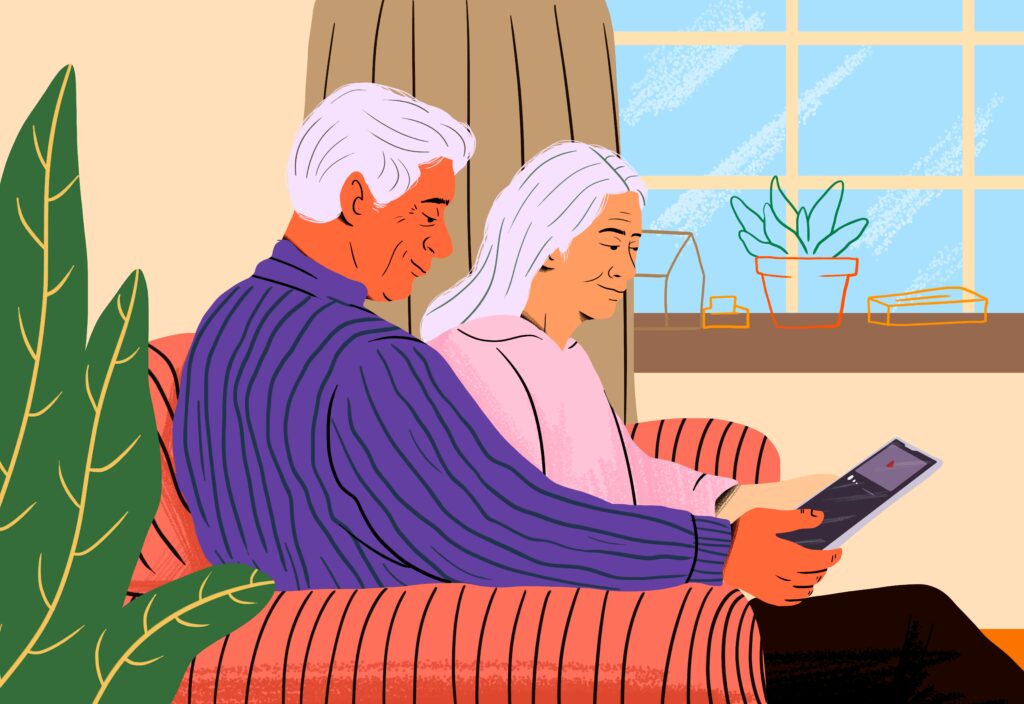
# How to Monitor Aging Parents Without Damaging the Relationship
An Apple Watch seemed like a straightforward Christmas gift when one woman’s mother opened it a few years ago. The older woman was excited but puzzled about its purpose. Family members explained the device could track fitness and daily activity, which the mother embraced enthusiastically. She loved counting steps and monitoring her mileage, and the gadget motivated her to become more active.
The family withheld one crucial detail. The Apple Watch’s fall detection feature was the actual reason they chose that particular gift rather than a standard smartwatch. That decision proved prescient last winter when the mother tripped on an uneven sidewalk and broke her wrist. The device automatically called 911 within seconds of impact, and an ambulance transported her to the hospital.
While the mother was in the emergency room, her daughter, who lived nearly a thousand miles away, texted to ask what happened. She had been tracking the mother’s location through Apple’s Find My app. The family also confessed that the Nest security camera installed in the living room served a dual purpose: it monitored for intruders but also allowed periodic check-ins on the mother’s wellbeing.
The mother was not pleased to learn about these hidden surveillance capabilities. She recognized that helpful gadgets had quietly functioned as monitoring tools. At the same time, she understood the underlying motivation. If she had fallen at home alone, an automatic call for help could have been lifesaving.
This scenario is playing out across American families as the population ages and adult children become more involved in caregiving. Roughly 59 million Americans now provide care for an adult over 50, a significant increase from 34 million a decade ago. About a third of those caregivers are part of the sandwich generation, simultaneously caring for parents and their own children.
Many families are turning to technology to ease the burden. Home security systems, wearable devices, and location-tracking apps offer peace of mind for caregivers while allowing aging parents to remain independent. Researchers and developers have taken notice, with laboratories, federally funded programs, and startup accelerators focused on technology for older adults.
Experts who study this field consistently emphasize one principle: communication is essential. Wendy Rogers, director of the Human Factors and Aging Lab at the University of Illinois, advises caregivers to start by identifying what support is actually needed rather than jumping to technological fixes. Sometimes the best solution involves no technology at all.
## Start the Conversation Before Emergencies Strike
Waiting until after a fall or health scare to introduce monitoring equipment creates problems. Rushing to install cameras or tracking devices without careful planning often results in overwhelmed caregivers receiving constant notifications they cannot interpret. One family found that discussing goals and routines with the parent beforehand clarified both the purpose of monitoring and helped the older adult understand the motivation came from love.
George Demiris, a professor of informatics at the University of Pennsylvania’s medical school, describes the ideal approach as establishing a safety net rather than a surveillance system. The goal should be receiving alerts when something unusual happens, not tracking every daily activity. Motion sensors can accomplish this while preserving privacy, offering a camera-free alternative for families concerned about intrusive monitoring.
## Privacy and Empathy as Guiding Principles
The first conversation should focus on the older adult’s concerns alongside the family’s own worries. Ask what level of monitoring feels acceptable. When introducing technology, teach them how to use it and give them control to make changes or turn devices off. Amanda Lazar, an associate professor at the University of Maryland’s College of Information, suggests imagining how you would feel if the roles were reversed and someone wanted to install cameras in your home.
For families considering location tracking through apps or devices like AirTags, telling the older adult is non-negotiable. Surprising someone with tracking information after the fact breeds resentment and erodes trust. In situations involving dementia or cognitive decline, conversations become more complex, and consulting a doctor about individual needs and professional caregiving options is advisable.
## Choose Technology People Actually Want
Devices that appeal to the user are more likely to be worn and used consistently. A smartwatch with fitness tracking and fashion appeal may succeed where a medical alert pendant fails. Smart speakers offer another entry point, providing entertainment and convenience while also enabling users to call for help by voice. Rogers notes that engaging older adults with technology early and making it part of daily life creates a foundation for adding more support as needs evolve.
## Regularly Revisit and Update the Plan
Technology needs change as people age, and caregiving plans should evolve accordingly. Families should discuss what is working and what is not at least once a year, perhaps during holiday gatherings. These conversations can also address digital safety concerns, including help managing finances, protecting login credentials, and defending against AI-powered scams targeting older adults.
Amelia Hay, a vice president at AARP Innovation Labs, cautions that denial keeps many families unprepared. Everyone assumes parents will be fine until something happens. Starting the planning process before an emergency offers the best opportunity to implement thoughtful solutions and maintain trusting relationships throughout the aging journey.