

The Jewish High Holidays include Yom Kippur, a day of reflection and making amends. For some people, the holiday triggers scrupulosity—constant worry about morality and doing the most good possible.
This mindset often paralyzes rather than motivates. Fixating on every ethical implication makes it harder to act. Guilt stops serving its purpose and becomes a burden instead.
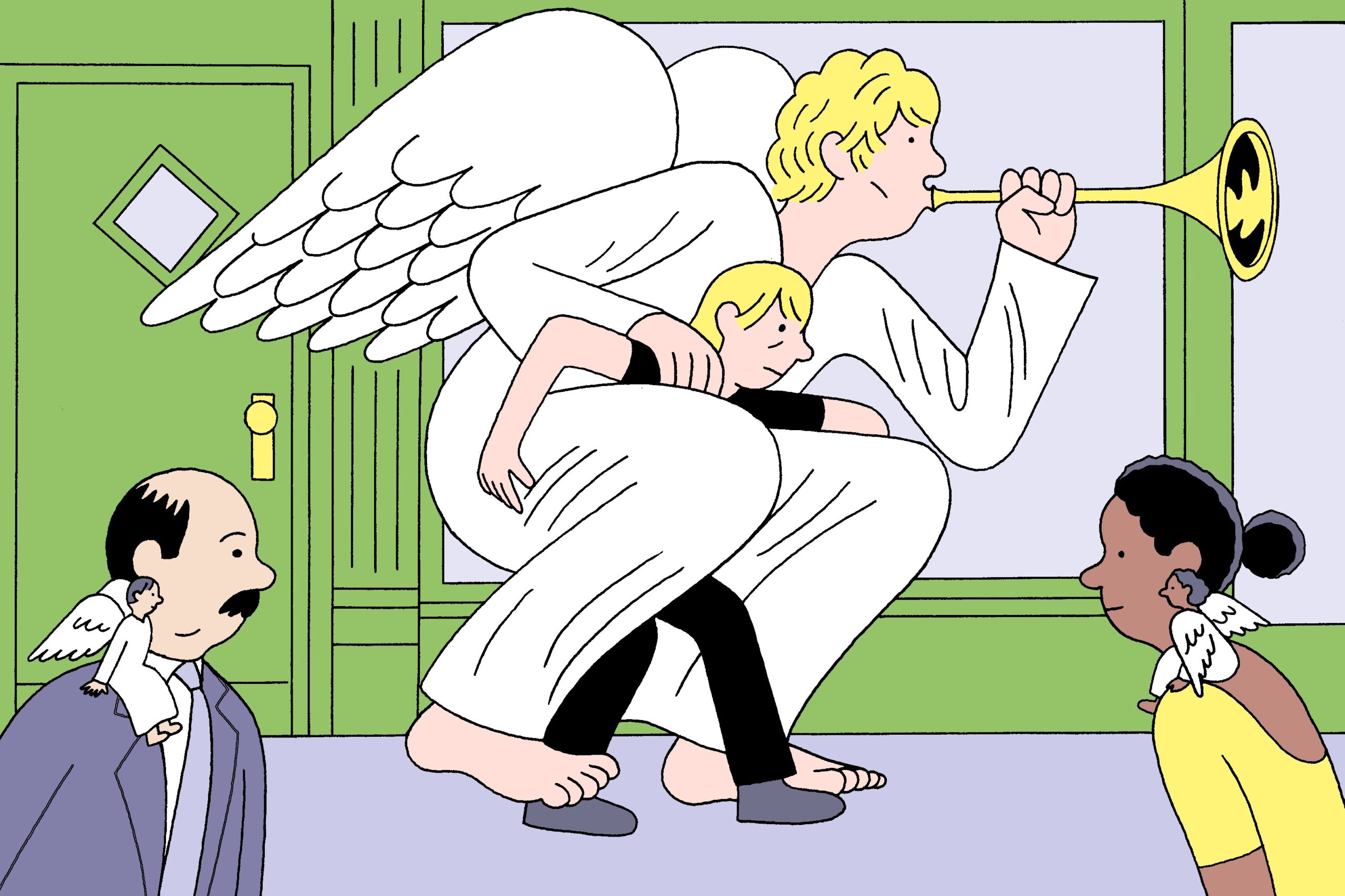
An ancient rabbinic story offers a different perspective. When God prepared to give the Bible to humans, angels objected. They argued that flawed mortals did not deserve such a holy text.
Moses responded by asking what angels need the Bible for. Angels cannot murder, steal, or commit adultery. They have no parents to honor and never work, so they cannot rest on the Sabbath.
The angels conceded. They are perfect, but perfection is static. Perfect creatures do not grow, face challenges, or make choices that add beauty to the world.
Humans are different. They have feelings, flaws, and the capacity to learn. The Bible was given to humans not to make them angels, but to help them become better humans.
Moral optimization may suit angels, but not people. Humans hold multiple values that often conflict. No single yardstick can measure which choice is greater when options are incommensurable.
Trying to optimize everything leads to burnout. The pressure to find the best possible action wastes mental resources and can cause paralysis. Often, no knowably best decision exists.
A humbler goal works better: live in line with your values as best you can. This approach accepts human imperfection. It removes the impossible demand of always hitting the bullseye.
Many fear that self-compassion leads to moral complacency. Research shows the opposite. People who practice self-compassion are more willing to acknowledge mistakes and make amends.
The Hebrew word for sin, lachto, means “to miss the mark.” It describes an archer whose arrow goes slightly off target. Missing the mark is normal for humans buffeted by life’s conditions.
Yom Kippur is not meant to be somber. According to rabbinic tradition, it is one of the happiest days of the year. It marks Moses receiving the second set of commandments.
The first tablets, made by God alone, contained only rules. The second set was a human-divine collaboration. Moses carved the stone, and God inscribed the words.
The second tablets included all the stories and interpretations sages would later develop. God recognized that humans need more than a simple list of rules.
Life is too messy for any single set of universal moral principles. God chose people over angels, embracing human messiness rather than rejecting it.
Aim your arrows as true as you can. Try to hit the bullseye that captures what you value most. But once released, let the arrow be.
If you miss the mark, that is okay. You are not an angel or a perfect optimizing machine. You are human, doing the best you can with what you have.
This ancient wisdom holds that human effort is good enough for God. It can be good enough for you, too.