

**Tradwife Thriller ‘Yesteryear’ Puts a Modern Influencer in 1855 But Struggles to Stick the Landing**
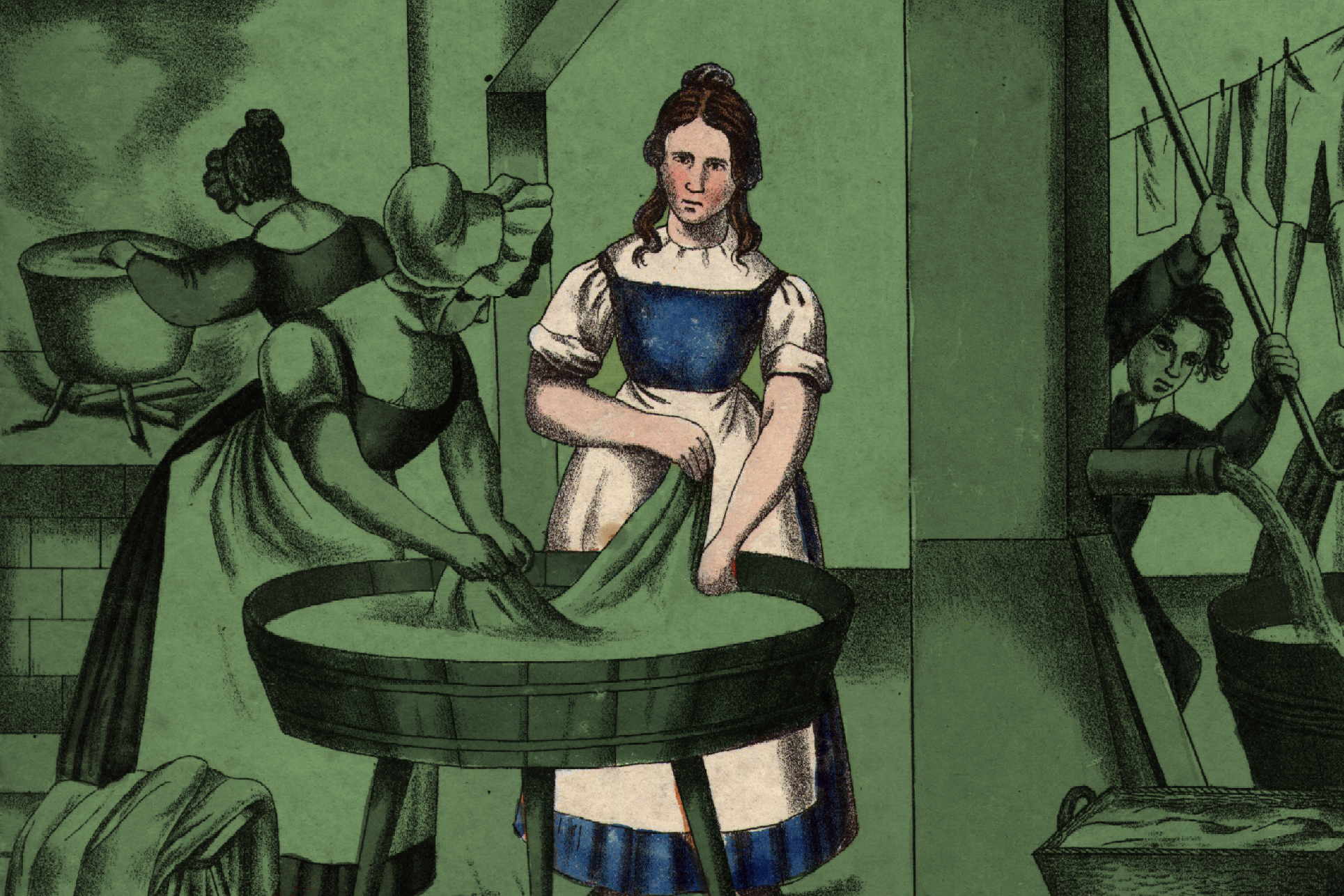
Caro Claire Burke’s debut novel, *Yesteryear*, opens with a premise designed to provoke. Natalie, a Harvard dropout who married into wealth at 20 and built a career as a tradwife influencer, wakes up in 1855. Her modern conveniences are gone. In their place are an outhouse, stained prairie dresses, and laundry that requires hours of work with homemade lye soap.
Natalie spends much of the novel crying. After she tries to escape, she falls into a bear trap, badly injures her leg. Nineteenth-century pioneer medicine offers no anesthetic for her stitches. She describes the pain as feeling like her body depleted a month’s energy from nerve signals screaming emergency.
There is a grim satisfaction in watching her suffer. Readers may find themselves asking, “How is that trad lifestyle working for you now?” The novel feeds a rage at the tradwife archetype—the woman who posts videos of baking bread in a sunlit kitchen while children play nearby. The premise proved so irresistible that Anne Hathaway signed on to produce and star in the film adaptation after a four-studio bidding war.
But the book falters when it suggests tradwives are as angry with themselves as their critics are. Natalie knows her content is rage bait. She refers to her followers as “the Angry Women,” believing they are addicted to hating her. When she encounters a former friend named Vanessa, Natalie lingers on how much she imagines Vanessa envies and despises her.
The novel’s pacing keeps readers hooked, driven by the mystery of how Natalie ended up in 1855. Is it time travel, a hidden camera show, or a test from God? At one point, she finds a cabin labeled “The Manosphere,” hinting at a virtual reality designed by podcasters to reprogram uppity women.
Natalie’s punishment in 1855 is relentless. Her husband slaps her unconscious. The food looks and tastes terrible. Even her famous sourdough fails. The real reason for her time travel, however, proves deflating. Burke’s conclusion suggests that Natalie wants to see herself punished as much as the reader does.
This reliance on the idea that tradwives secretly agree with their critics feels unsatisfying. The novel punishes Natalie by denying her the substance of her own beliefs. It builds an imaginary woman to hate but never lets her hold her principles. In the end, *Yesteryear* becomes a fantasy no less detached than the idyllic farm it seeks to critique.