

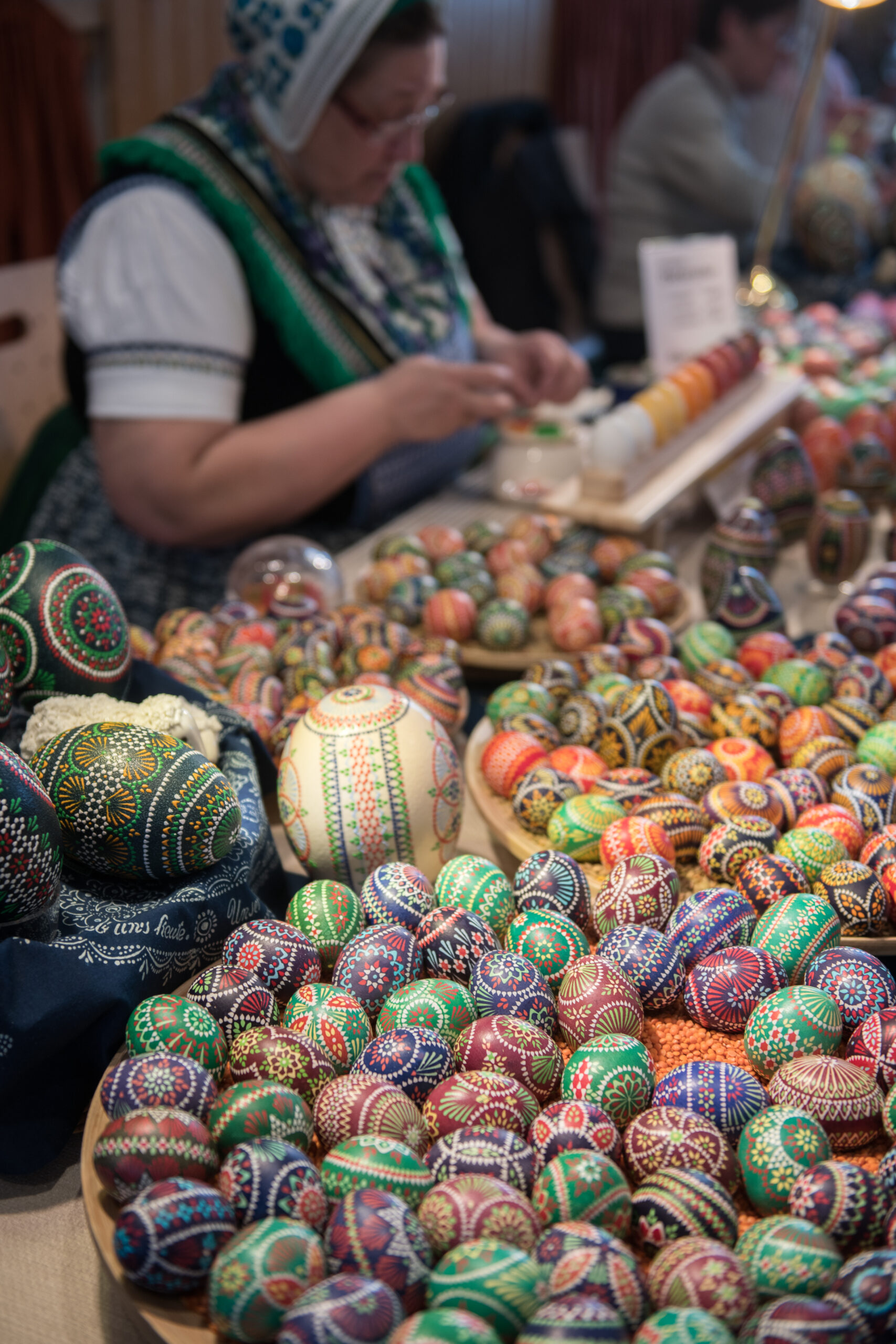
Easter remains a central religious observance for Christians worldwide, marking the resurrection of Jesus Christ. Yet in Western cultures, it has not achieved the widespread secular celebration seen with Christmas. This divergence reveals much about the social and religious history shaping modern holidays.
Early American settlers, particularly Puritans, viewed holidays with deep suspicion. They opposed both Christmas and Easter, associating them with paganism, excessive revelry, and Catholic traditions. This anti-festive sentiment suppressed the cultural development of both occasions for generations.
A significant shift occurred in the 19th century. Christmas was reinvented through literature and a growing middle class. Works by Washington Irving and Charles Dickens helped transform it into a domesticated, child-centered family holiday, complete with new traditions like Santa Claus and decorated trees.
Easter did not undergo a similar cultural makeover. While it adopted some family-friendly elements like egg hunts, it lacked the same literary promotion. Its core theological message—focused on crucifixion and resurrection—proved less adaptable to secular celebration than the nativity story.
The thematic nature of each holiday also played a role. Christmas, celebrating a birth, easily translates into universal themes of family, gift-giving, and winter festivity. Easter’s narrative of death and miraculous rebirth is inherently more complex and supernatural, resisting simplification for broad cultural consumption.
Consequently, Christmas secured a dominant place in the secular calendar, even becoming a federal holiday. Easter, while commercially acknowledged with candy and bunnies, has largely retained its primary identity as a solemn religious observance. Its deeper theological significance remains its defining characteristic.
This historical path highlights how holidays evolve. Christmas was reshaped by cultural forces into a major secular event. Easter, by maintaining its profound religious core, never followed the same trajectory, preserving its distinct and sacred place in the annual cycle.