

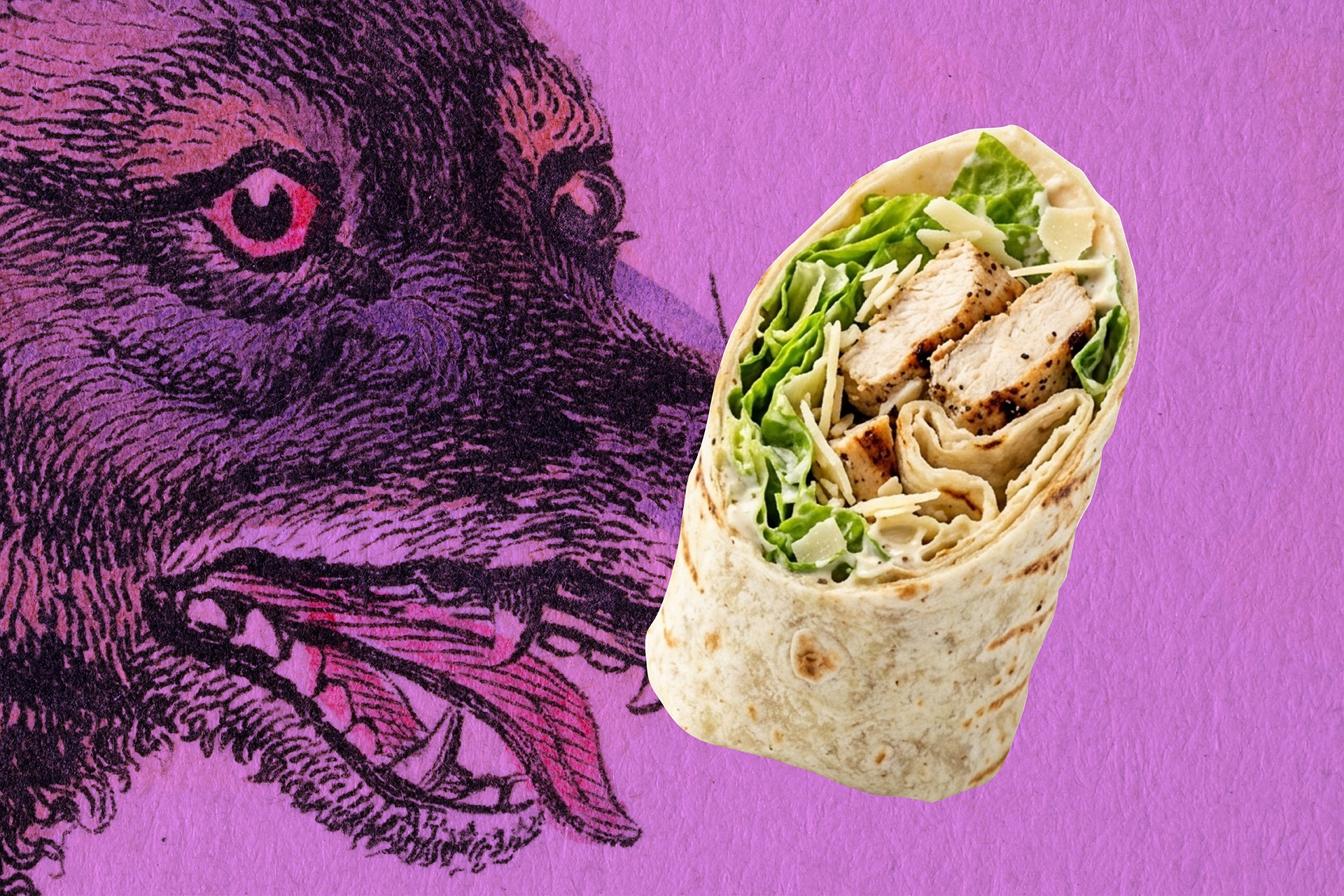
The chicken Caesar wrap is more than just a lunch. For many, it represents a singular point of comfort in a demanding workday. Its popularity has spawned a dedicated, almost obsessive fandom that dissects its every detail.
Scientifically, its appeal is clear. Experts note the perfect combination of textures and flavors. Crisp romaine and croutons meet a rich, umami-packed dressing. The balance of salty, tangy, and fatty elements consistently delights the palate.
Transforming the salad into handheld form taps into a distinctly American preference. The wrap offers controlled, satisfying bites. It feels more sophisticated than a sandwich yet less fussy than a bowl of greens, striking an ideal lunchtime balance.
This meal occupies a specific cultural niche. It feels indulgent but vaguely healthy, a permissible daily luxury. However, quality varies wildly. A perfect wrap features fresh, distinct components. A poor one is a soggy, flavorless disappointment.
Consistency is a huge part of the appeal. Diners seek a reliable experience from coast to coast. The quest for the ideal version fuels endless office debates and informal tastings, becoming a shared social activity.
For some, the wrap is pure nostalgia. It recalls early tastes of adulthood for millennials, often linked to mall food courts and adolescent freedom. It serves as a edible touchstone for a seemingly simpler time.
The phenomenon even inspires elaborate schemes. Some office workers orchestrate “business lunches” solely to cater and compare local offerings. The wrap becomes a tool for team bonding and lighthearted conspiracy.
Ultimately, its significance is multifaceted. It is a flavor benchmark, a social lubricant, and a generational comfort food. The chicken Caesar wrap is a simple meal carrying a surprisingly heavy cultural load.