

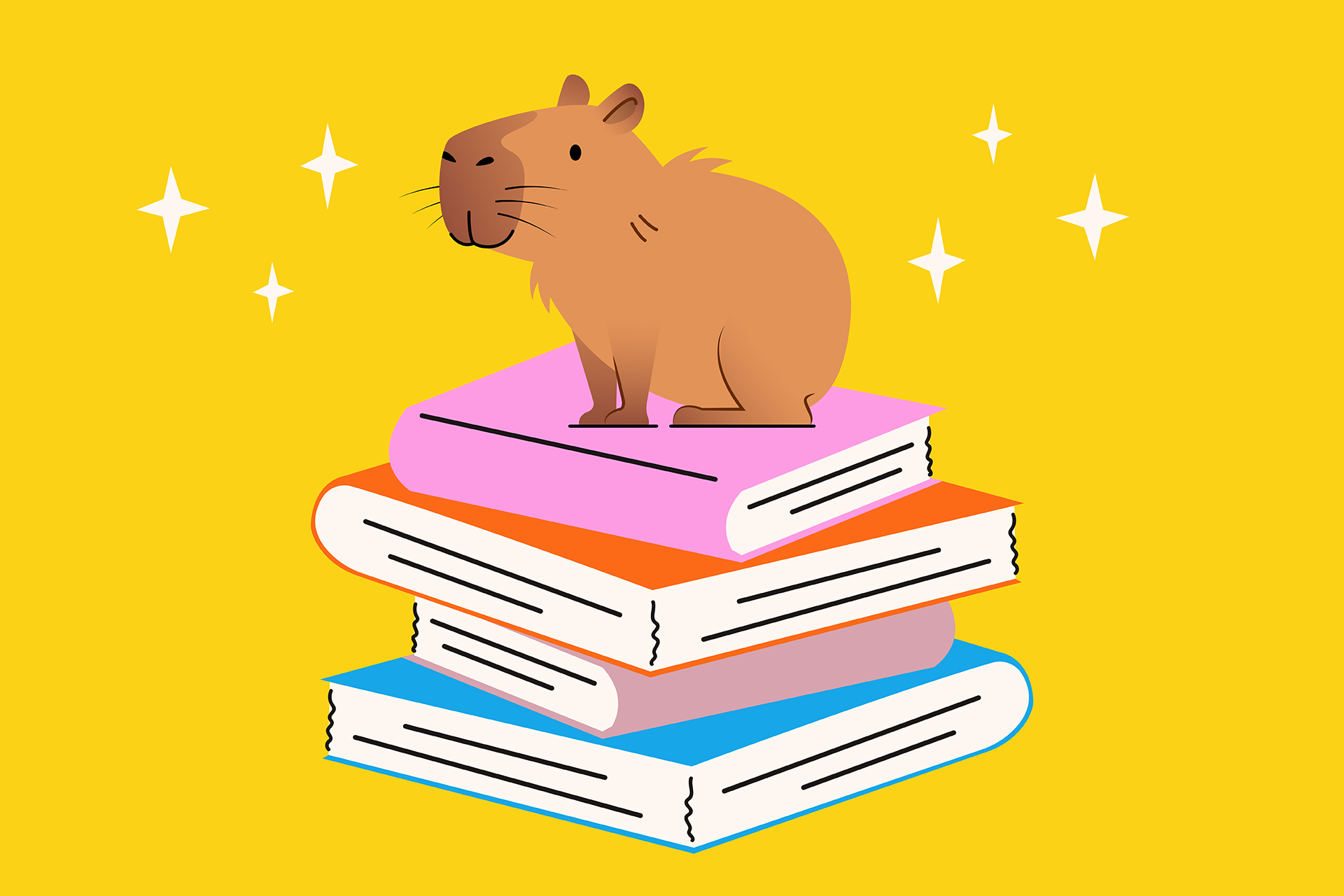
The Scholastic Book Fair remains a beloved school tradition, but a new item is dominating sales. A fuzzy capybara diary has become a nationwide sensation, consistently ranking among the most popular products. Scholastic reports selling over four million of these tactile journals each year.
This trend arrives amid widespread concern over declining reading scores. Recent data shows a significant drop in children reading for pleasure. The choice of a journal over a traditional storybook highlights a complex shift in student engagement with literacy.
Yet the journal’s popularity also signals a hopeful counter-trend. In an increasingly digital world, the appeal of a physical, analog item for self-expression endures. The capybara’s rise is fueled by the animal’s viral internet fame and the journal’s stuffed-animal-like design, which resonates with young students.
Scholastic officials note these non-book items serve a strategic purpose. They aim to attract reluctant readers by making the book fair feel less like an academic obligation. The goal is to invite all children into the experience of reading and writing through accessible, joyful products.
The act of writing by hand is itself seeing a resurgence, linked to cognitive benefits like improved learning and retention. While children may not consider literacy skills when choosing the diary, their desire to create a private record of thoughts is a positive form of engagement.
A key feature driving the journal’s appeal is privacy. Many versions include a small lock, offering children a rare sense of ownership and secrecy in their personal thoughts. This addresses a modern craving for spaces free from adult surveillance and social media exposure.
Ultimately, the capybara diary represents a nuanced moment in children’s literacy. It reflects challenges in traditional reading habits while simultaneously highlighting a durable, creative impulse. The item’s success underscores how children’s own preferences continue to shape their paths to expression.