

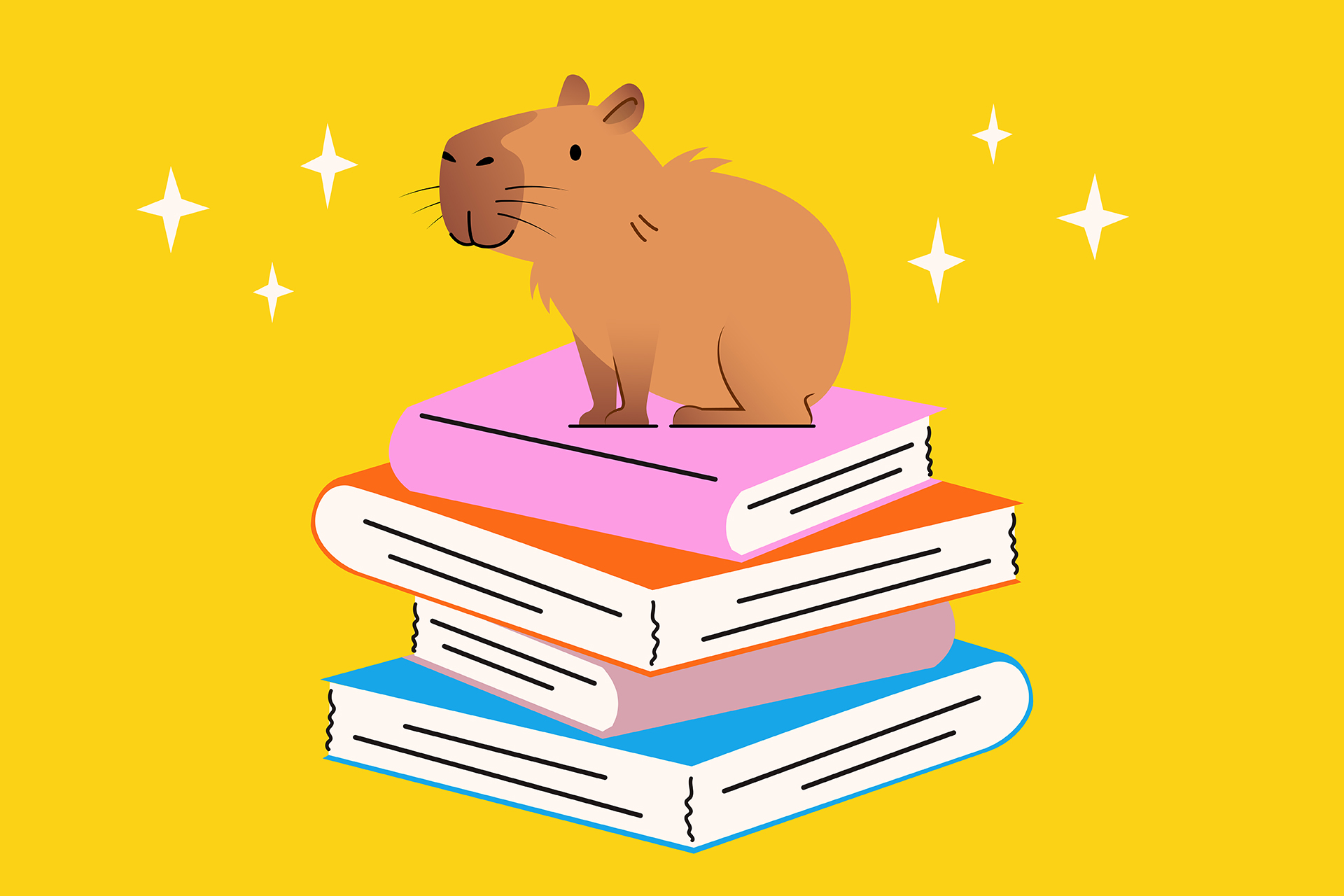
The Scholastic Book Fair remains a cherished school tradition, transforming auditoriums into bustling marketplaces for young readers. Yet recently, a non-book item has consistently topped wish lists: a fuzzy capybara diary.
This plush journal has become a nationwide sensation, selling millions annually. Its popularity arrives amid concerning literacy trends, with reading scores declining and fewer children picking up books for pleasure.
Scholastic officials note these tactile diaries serve as a gateway. They aim to engage reluctant readers by offering joy and accessibility beyond traditional books. The capybara’s surge in internet fame certainly adds to its youthful appeal.
Beyond the cute exterior, the journal taps into a renewed interest in handwritten expression. As cursive writing sees a curricular comeback, experts highlight the cognitive benefits of putting pen to paper.
The diaries often feature small locks, providing a sense of privacy and personal space. In an era of digital oversharing, a physical journal offers a rare sanctuary for a child’s private thoughts.
While adults may worry about AI and screen time, the capybara’s success suggests a persistent, analog desire for self-creation. Children are drawn to the potential within its blank pages.
Ultimately, the phenomenon reflects a child’s world operating on its own terms. Their preferences, from furry journals to secret stories, remind us that their motivations are uniquely their own.