
For a generation of millennial women, the early 2000s offered a sparkling, albeit high-stress, dream: making it as a writer in a bustling New York City magazine office. But as the long-awaited sequel The Devil Wears Prada 2 (released in early 2026) makes clear, that fantasy has been replaced by a much grimmer reality.
While the original film romanticized the “girl boss” era of print media, the sequel serves as a sobering commentary on the collapse of independent feminist voices and the rise of corporate control.
From Storytellers to Systems
The film opens with Andy Sachs (Anne Hathaway)—now a respected investigative journalist—being fired alongside her entire team just as she is about to receive a prestigious award. It’s a stark departure from the gloss of the first film, signaling that the “story” no longer matters as much as the metrics.
Key shifts in the fictional Runway mirror the real-world media crisis:
Digital Domination: The magazine has been fully digitized, with editors forced to prioritize reels, polls, and click-rates over long-form artistry.
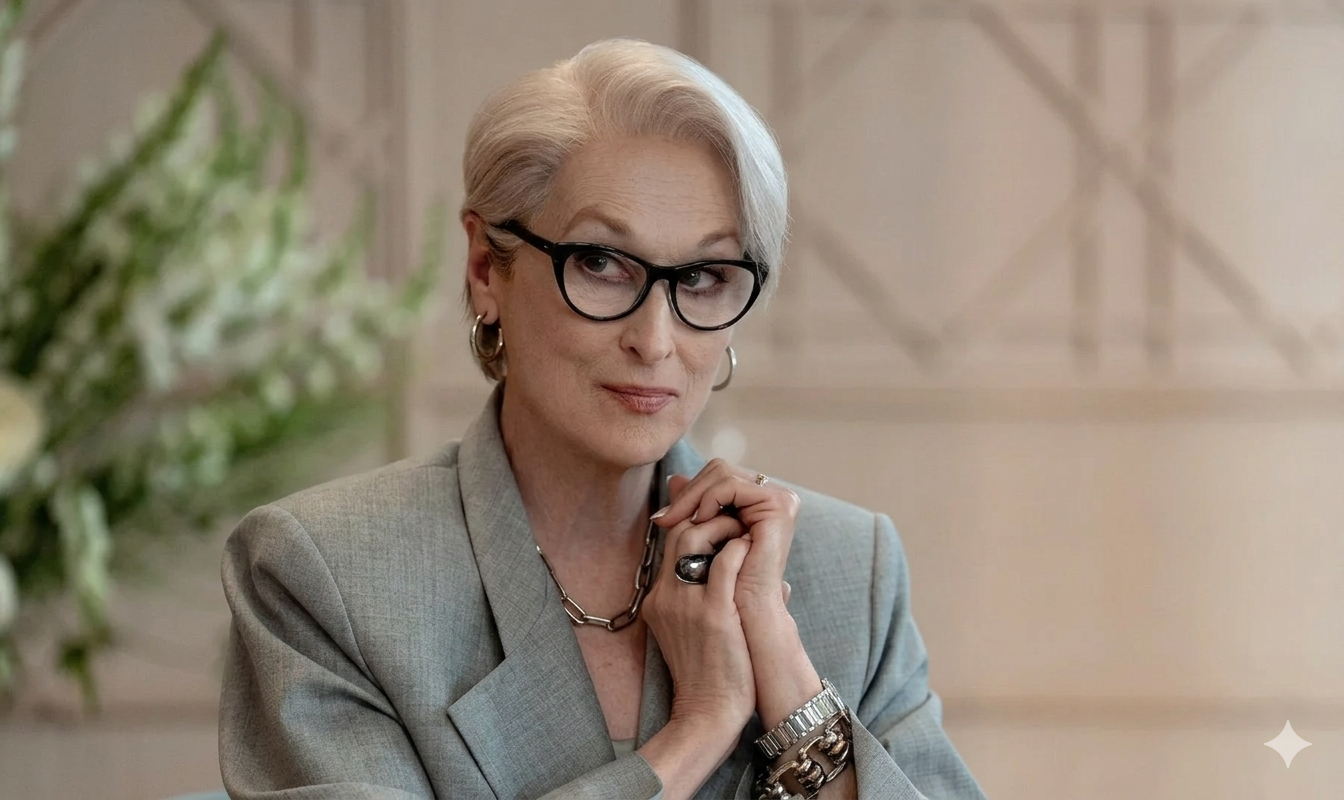
The Rise of the “Finance Bro”: Decisions are no longer made by cultural producers like Miranda Priestly (Meryl Streep), but by corporate stakeholders (represented in a cameo by B.J. Novak) who prioritize profit over perspective.
The AI Influence: In an age of AI-generated content and listicles, the “Great American Story” has been sidelined by the demand for instant, algorithm-friendly engagement.
Read more ; Devil Wears Prada 2 Shatters Box Office Records with $233M Debut
The Collapse of Feminist Media
The film’s most poignant theme is the disappearance of dedicated spaces for women’s voices. In the real world, the past three years have seen the shrinking or shuttering of iconic publications like Bitch Media, Self, and Teen Vogue.
The “Devil” in this sequel isn’t Miranda Priestly—it’s the room she stands in. Power has shifted from community-run, independent spaces to massive corporate conglomerates. As Miranda famously asks in the film: “But did people read it?” In the new economy, quality is irrelevant if it doesn’t rake in the numbers.
Grounding in a New Reality
While the movie offers a nostalgic thrill—with Stanley Tucci’s Nigel remaining as witty as ever and Meryl Streep portraying a “softer,” more vulnerable Miranda—it refuses to hide from the truth. The advertising economy that once funded these glossies has moved to social media, leaving journalists to scramble for space on platforms like Substack.
The Devil Wears Prada 2 isn’t just a sequel; it’s a eulogy for the print era. It serves as a reminder that we are now living in a solo creator economy, where the collective power of feminist newsrooms has been dismantled by the patriarchy of the algorithm