

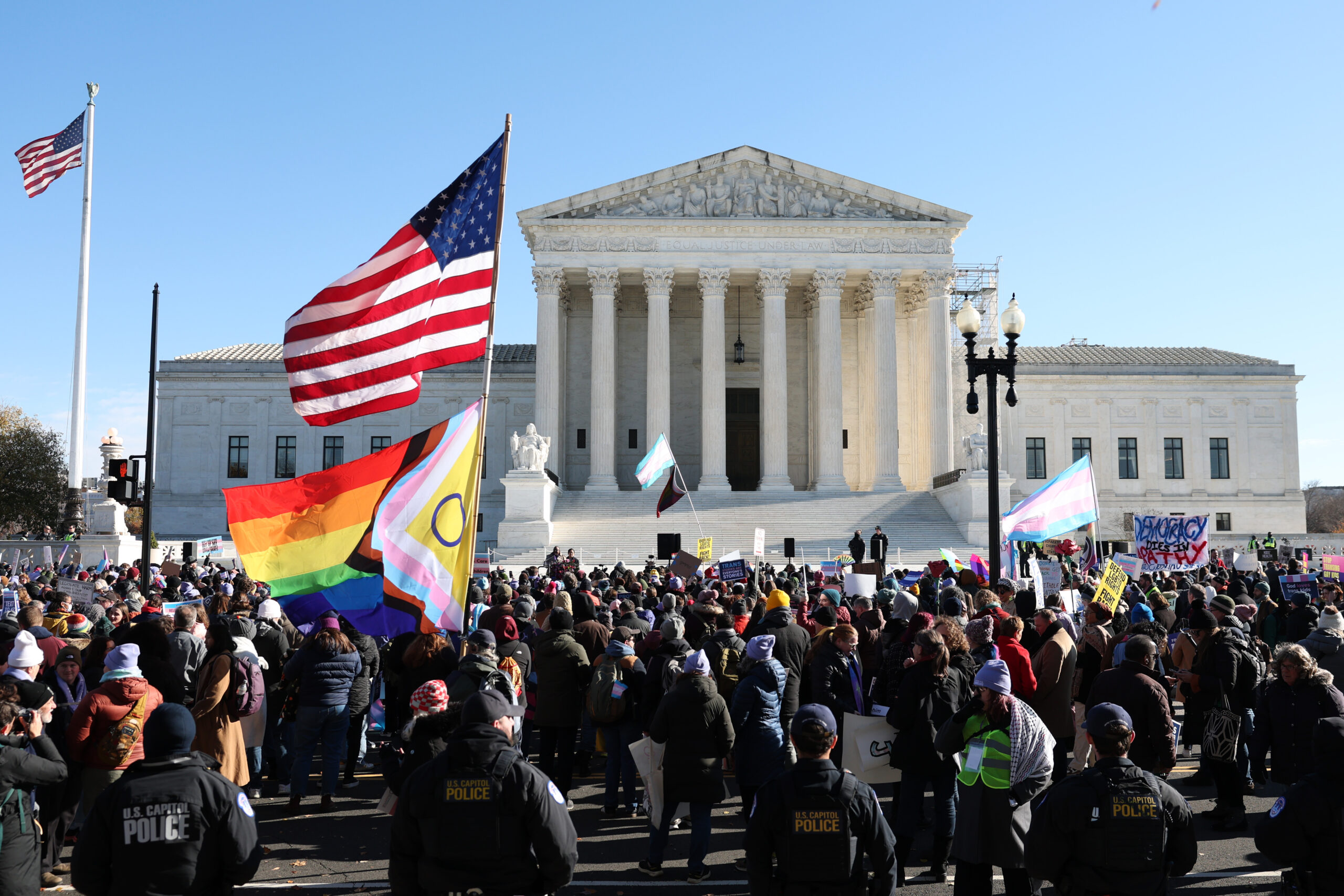
The Supreme Court has struck down a Colorado law banning licensed therapists from offering conversion therapy to LGBTQ+ patients. The 8-1 decision centered on First Amendment protections for professional speech, with only Justice Ketanji Brown Jackson dissenting.
Justice Neil Gorsuch authored the majority opinion, which found the Colorado law constituted unconstitutional viewpoint discrimination. The statute permitted therapists to affirm a client’s sexual orientation or gender identity but prohibited speech aimed at changing those traits.
The ruling suggests governments have limited power to proactively ban specific types of talk therapy, even when that therapy is widely discredited. Major medical associations, including the American Psychological Association, reject conversion therapy, citing significant risks of harm to patients.
The Court’s decision does not eliminate all accountability. Gorsuch’s opinion affirms that malpractice lawsuits remain viable if a patient can prove actual injury caused by a therapist’s breach of duty. State licensing boards may also discipline professionals after harm occurs.
In a concurring opinion, Justices Elena Kagan and Sonia Sotomayor joined the majority based on the strong constitutional presumption against viewpoint discrimination. Kagan noted such laws are the most suspect form of speech regulation.
The ruling leaves open how the Court might handle other professional speech cases, such as doctors giving dangerous medical advice. Gorsuch indicated speech promoting criminal activity or requiring factual disclosures could still be regulated.
While the decision alters the legal landscape for regulating therapeutic practices, it does not endorse conversion therapy. The ruling underscores the tension between preventing harm and protecting free speech, even when that speech is considered harmful by medical consensus.