

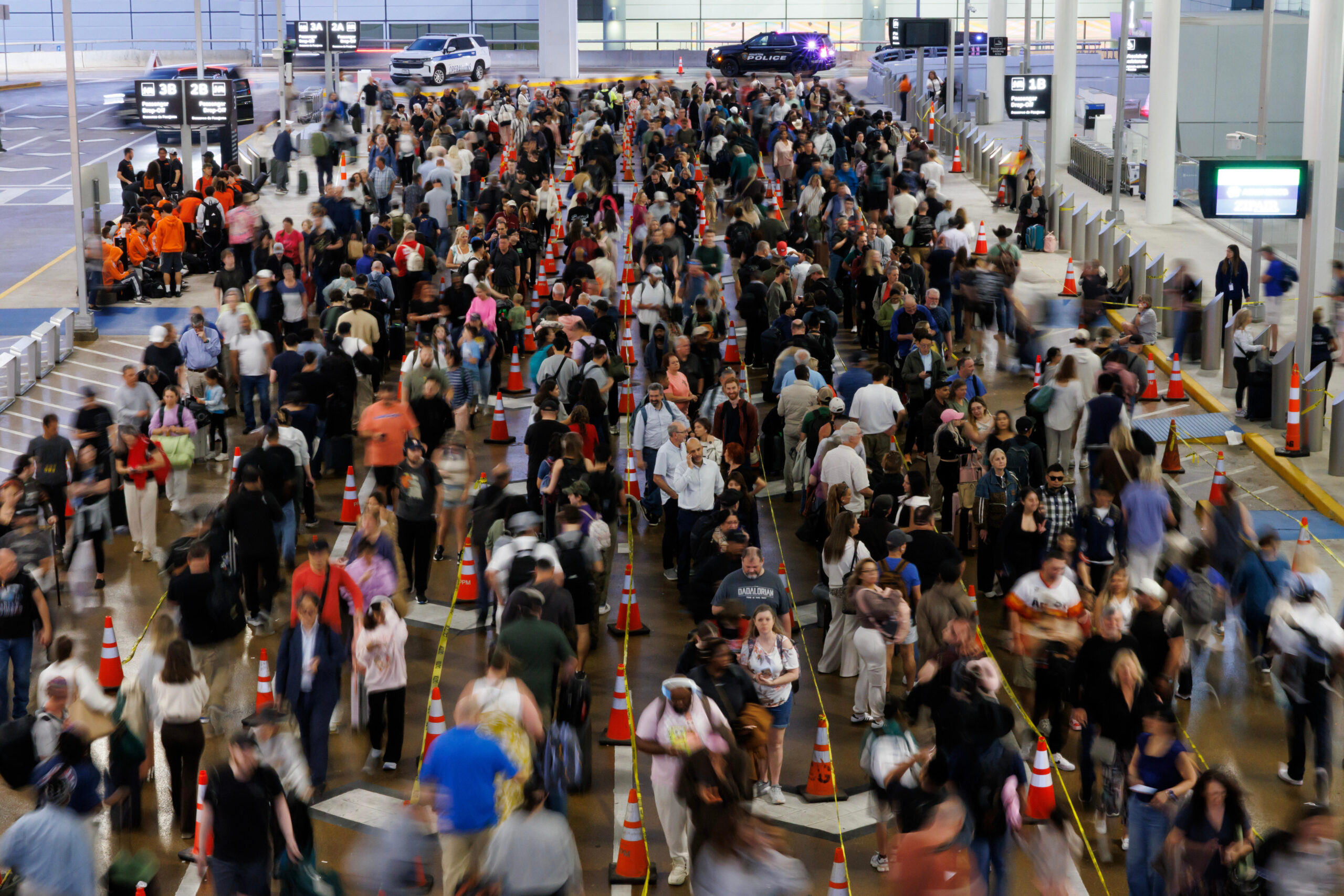
American air travel faces a compounding crisis of safety, reliability, and passenger experience. While recent security line bottlenecks have eased, deeper systemic failures continue to plague the system.
The industry contends with severe staffing shortages across key agencies. The recent partial government shutdown forced thousands of TSA agents to work without pay, leading to widespread callouts and resignations that snarled airports nationwide.
Beyond staffing, the nation’s air traffic control infrastructure is largely outdated. Federal authorities report that 80 percent of the system is obsolete, relying on decades-old radar and equipment where replacement parts are sometimes scavenged from online auctions.
Modernizing this infrastructure carries a staggering price tag. While Congress has approved initial funding, the Federal Aviation Administration estimates a full overhaul requires tens of billions of dollars in additional investment.
A concurrent shortage of approximately 3,000 air traffic controllers further strains safety and efficiency. Incidents like a recent collision at a major airport, where only two controllers were on duty, highlight the operational risks.
Some policymakers advocate privatizing airport security, a model already used at about 20 U.S. airports. Proponents argue private contractors could improve efficiency and avoid work stoppages during future government shutdowns.
For now, travelers bear the brunt of these systemic failures. With durable solutions lacking and alternatives like rail or road travel presenting their own challenges, passengers are largely left to navigate the disruptions on their own.