

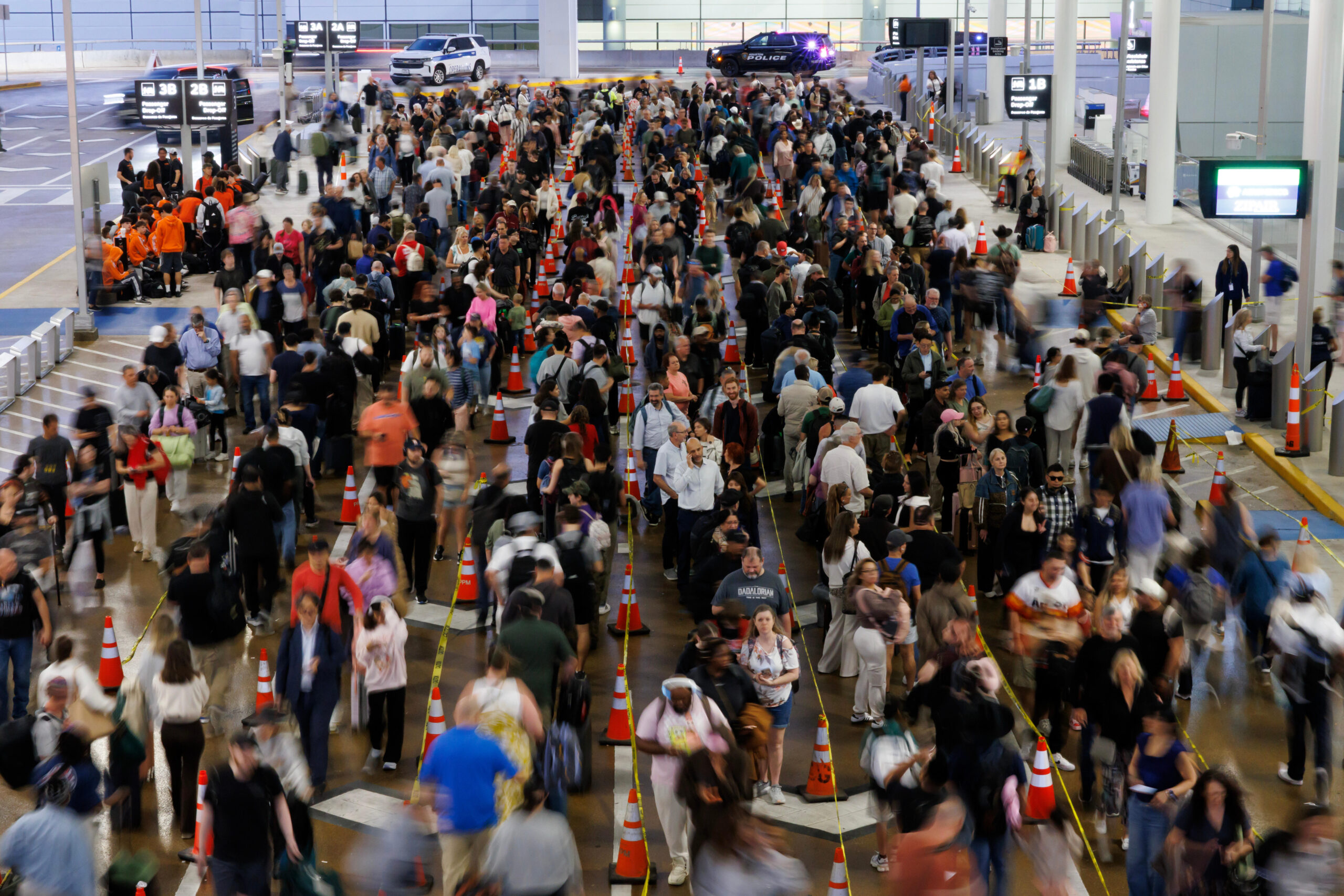
American air travel faces a compounding crisis of reliability and safety. Recent airport chaos, while easing, highlights deeper systemic failures that leave passengers navigating a broken system.
Staffing shortages plague every level. The Transportation Security Administration, strained by unpaid work during the government shutdown, saw security lines balloon nationwide. While pay has resumed, a shortage of approximately 3,000 air traffic controllers presents a more critical safety risk, contributing to delays and near-misses.
The nation’s air traffic control infrastructure is largely obsolete. Federal Aviation Administration data shows 80 percent of systems are outdated, relying on 1980s-era radar and equipment so old that replacement parts are sourced from online auctions. This aging technology directly causes flight disruptions and raises safety concerns.
Modernization carries a staggering price tag. Congress has approved over $12 billion to begin upgrades, but the FAA estimates a full overhaul requires an additional $20 billion. This investment is necessary to replace failing components like copper cables with modern digital systems.
Some propose privatizing airport security as a solution. Advocates argue private contractors at roughly 20 U.S. airports could improve efficiency and operate during government shutdowns. However, this addresses only one facet of the crisis, leaving core issues like antiquated technology and controller shortages unresolved.
The search for alternatives offers little relief. America’s passenger rail system suffers from chronic underinvestment and cannot absorb displaced air travelers. Driving is increasingly costly, leaving few viable options for long-distance travel.
Without comprehensive and durable solutions, passengers bear the burden. Travelers are advised to arrive excessively early for flights, navigating an unreliable system where normal operations remain deeply flawed. The path to a safer, more efficient aviation network requires significant investment and coordinated effort.