

The Trump administration’s immigration enforcement policies have reshaped American society over the past year. Widespread operations by Immigration and Customs Enforcement and Border Patrol have altered daily life, the economy, and community dynamics across the nation.
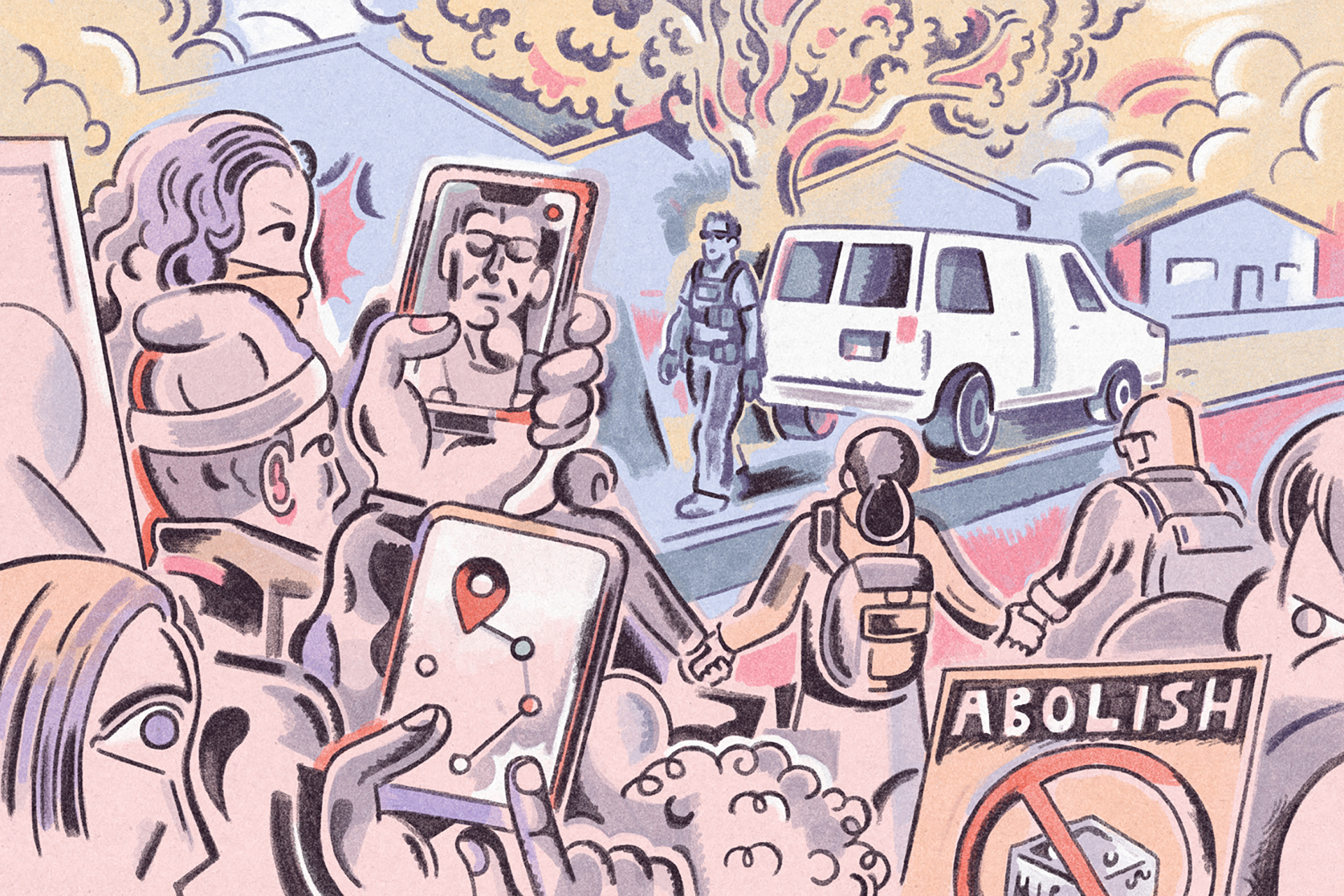
These federal actions have mobilized a new wave of local activism. In Charlotte, North Carolina, rumors of an ICE surge prompted community organizing. Churches and advocacy groups trained thousands of volunteers in de-escalation tactics and legal monitoring. This grassroots response created a network of citizen watchdogs prepared to document encounters and alert neighborhoods.
The economic consequences have been severe in communities targeted by enforcement. Chicago’s Little Village, a major commercial hub, saw business plummet when operations began. Sales dropped by over fifty percent as customers stayed away, fearing checkpoints and arrests. The economic shock was compared to the pandemic’s early days, but without equivalent federal relief for affected businesses.
A pervasive climate of fear now exists in many immigrant communities. Residents report changing daily routines, carrying identification documents at all times, and avoiding public spaces. In Phoenix, families develop contingency plans for potential detention, reflecting a deep-seated anxiety that extends even to U.S. citizens and legal residents.
This environment has strained social trust and participation. Reports indicate children kept home from school, church attendance declining, and medical appointments postponed due to deportation fears. Some individuals have chosen to self-deport, uprooting their lives preemptively to avoid detention.
Political polling suggests a shift in public opinion. Approval ratings for the administration’s immigration approach have fallen, particularly among Latino voters. This decline follows the visible impact of enforcement operations in cities nationwide and reports of aggressive tactics.
Despite the tension, many communities report a strengthened sense of solidarity. Pastors and organizers note that divisions within immigrant groups have lessened, fostering new bonds and mutual aid networks. Residents express a cautious readiness, believing their organizational experience has prepared them for future challenges.