

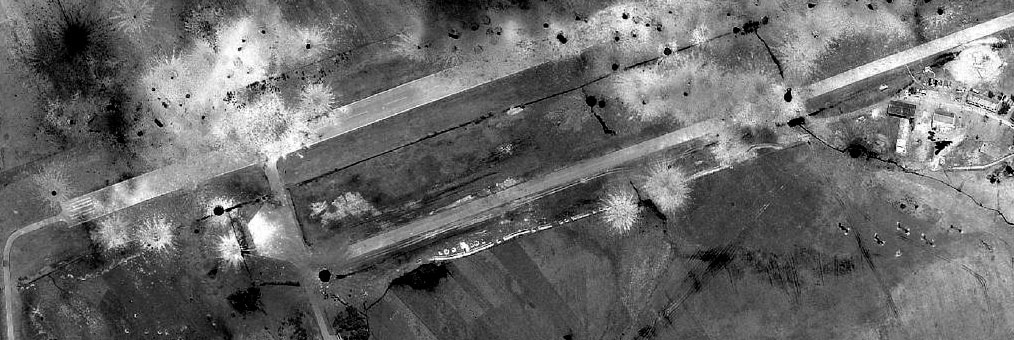
NATO’s 1999 intervention in the Yugoslav wars introduced a lasting environmental hazard. The use of depleted uranium munitions left Serbian territories with persistent radioactive contamination.
This legacy has fueled a potent political narrative. Populist movements have effectively harnessed a sense of victimhood stemming from the conflict and its aftermath.
Now, these same political forces are promoting a surprising solution to energy security. They advocate for nuclear power as a path to independence from foreign energy supplies.
This creates a stark contradiction for the public. The very material that symbolizes past trauma and danger is being recast as a promise of future safety and autonomy.
The central question becomes one of public perception and trust. Can a substance associated with warfare and contamination be accepted as a cornerstone of national security?
The situation reveals how historical events can shape energy policy debates for decades. Security is being framed not just in military terms, but through the lens of energy sovereignty.
Ultimately, the debate hinges on reconciling deep-seated public fear with a political promise of security. The challenge is navigating a past poisoned by conflict toward a future powered by its most controversial element.