

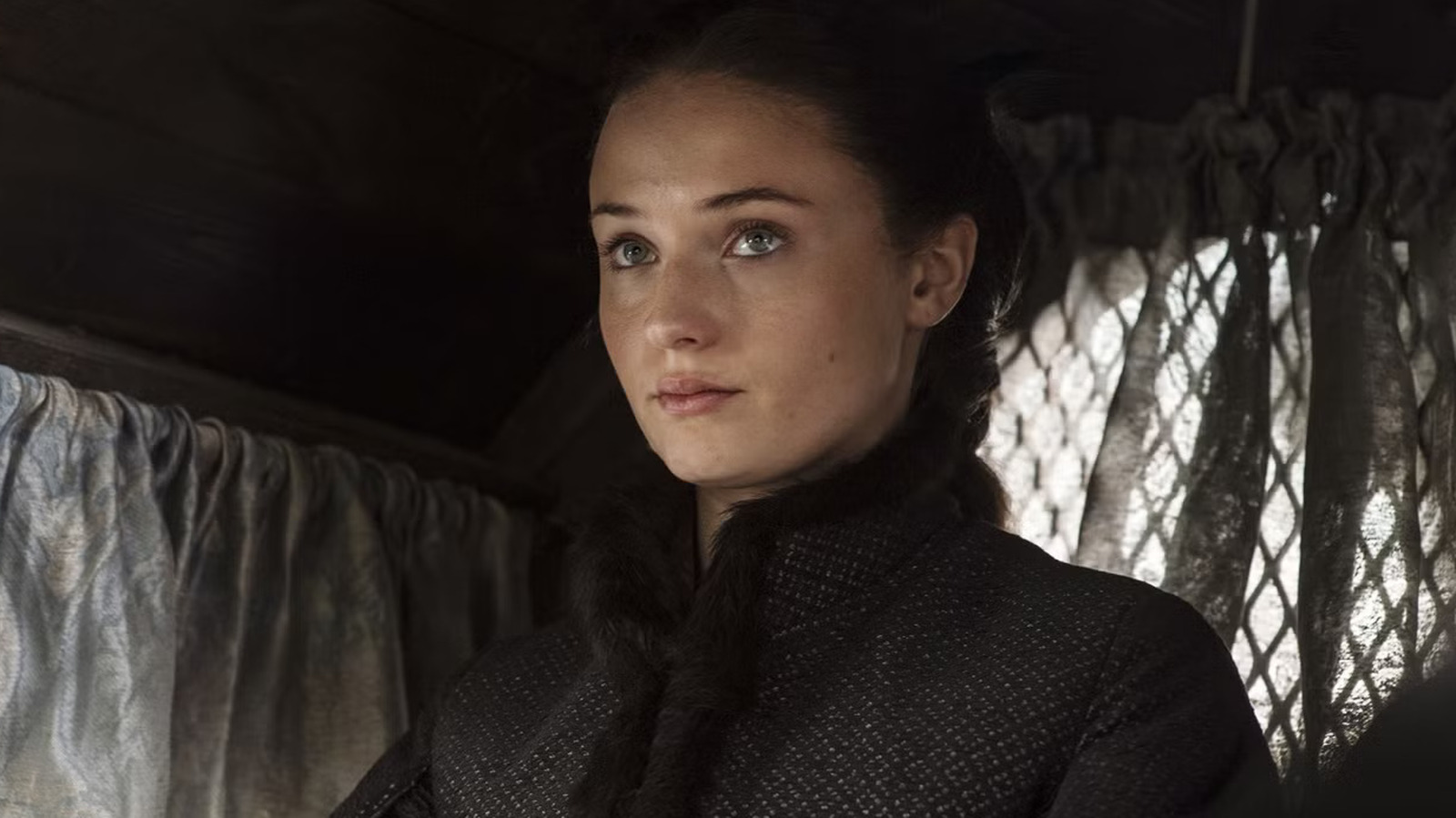
Some television costumes have sparked as much debate as the characters who wore them. These wardrobe choices often generate controversy for their cultural, social, or political implications.
One notable example is the original costume for the character Apu on *The Simpsons*. His stereotypical portrayal, including his accent and convenience store clerk role, drew criticism for perpetuating harmful South Asian stereotypes. This led to widespread discussion about representation in animation.
Another contentious outfit was the revealing armor worn by Princess Leia in *Return of the Jedi*. While iconic, the metal bikini has been debated for decades. Critics argue it reduced the character to a sexual object, while others see it as a symbol of her defiance and resilience in captivity.
More recently, certain period dramas have faced scrutiny for historical inaccuracy in their costumes. Shows like *Bridgerton* have been both praised and criticized for their color-conscious, anachronistic designs, which prioritize modern inclusivity over strict historical fidelity.
These controversies highlight how costume design is never just about clothing. It is a visual language that communicates character, context, and often, the cultural tensions of its time.