

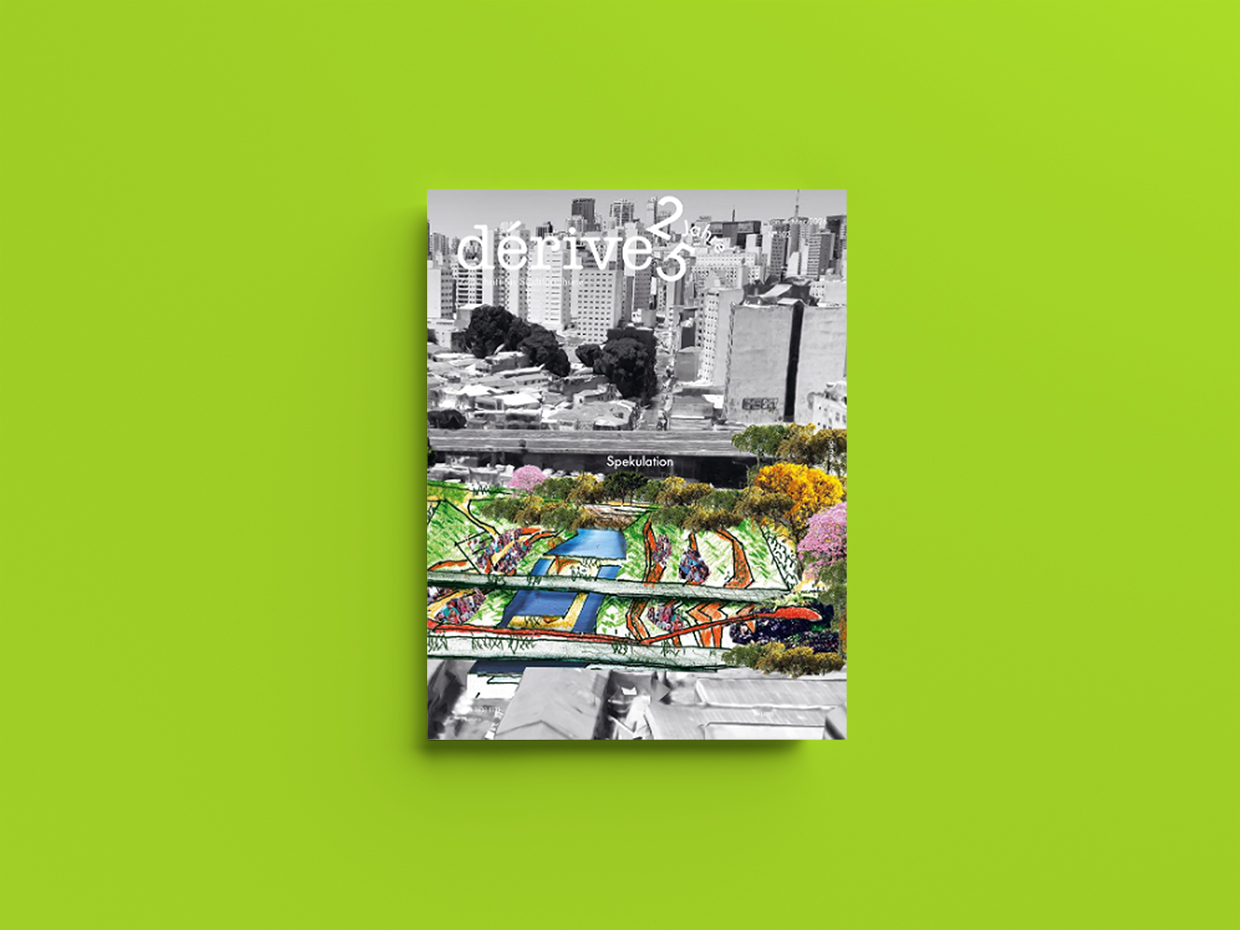
Speculative cartography offers a method for uncovering urban histories that have been erased or forgotten. This practice involves reimagining city maps to highlight marginalized narratives and spaces. It challenges conventional historical accounts by visualizing alternative pasts and futures.
In Berlin, community resistance has focused on preserving the historical significance of Checkpoint Charlie. Local groups oppose commercial redevelopment plans they argue would dilute the site’s memory. Their activism advocates for a memorial landscape that honors its complex history.
The solarpunk movement envisions a future built on sustainability and communal living. It combines ecological technology with a slower, more deliberate pace of life. This aesthetic and philosophical framework promotes resilience and local cooperation.
These diverse practices share a common thread of emancipatory speculation. They each propose alternatives to dominant political and economic systems. By imagining different realities, they create space for tangible action and change.
The work reclaims history not as a fixed record but as a contested terrain. It demonstrates how re-narrating the past can inform struggles in the present. This approach turns memory into a tool for future-oriented planning.
Similarly, the defense of sites like Checkpoint Charlie is a speculative act. It insists that the value of a place lies beyond its commercial potential. This resistance defines heritage as an active, living process.
Ultimately, these movements model how speculative thought can fuel concrete initiatives. They bridge the gap between imagination and implementation, fostering communities capable of building different worlds.