

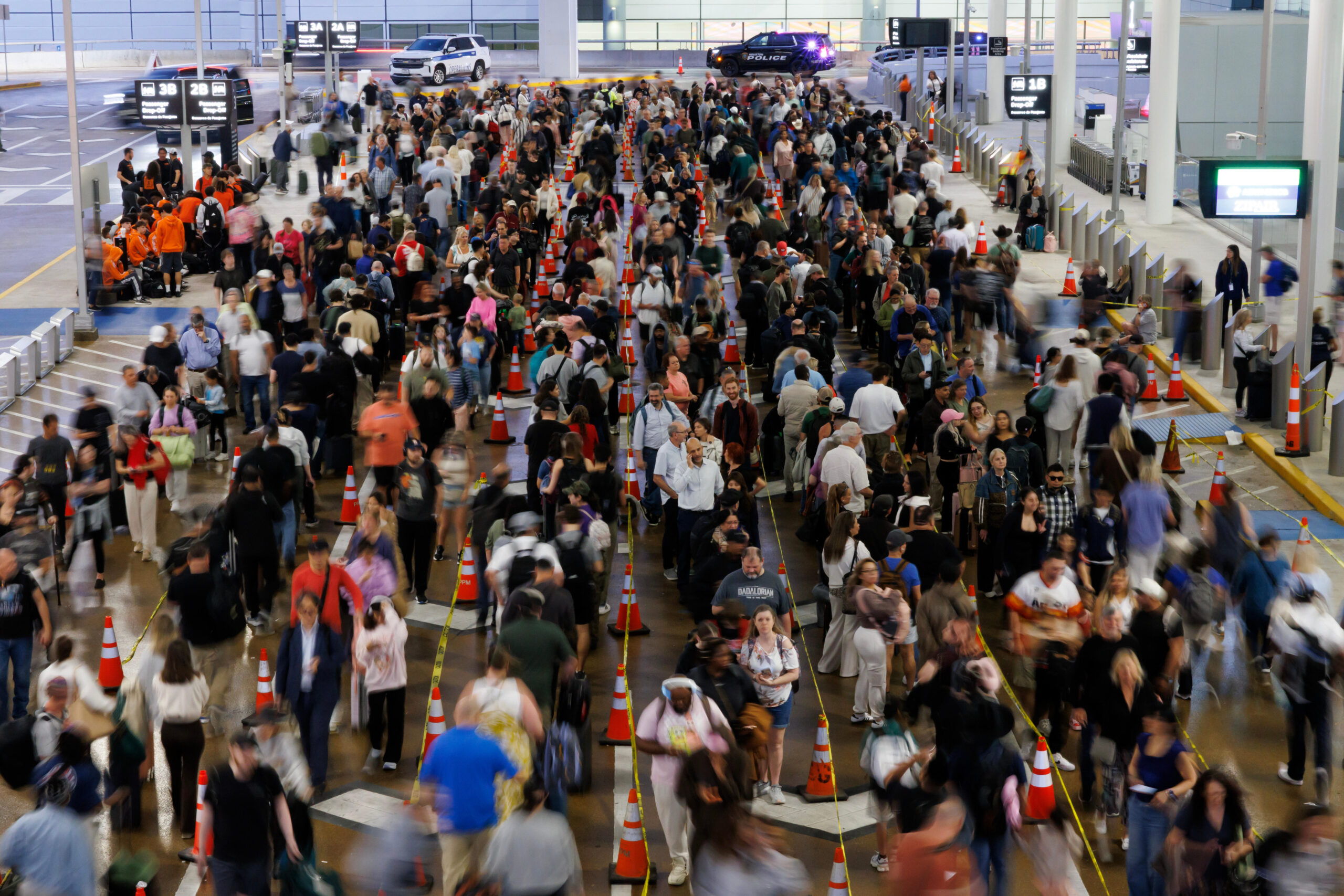
American air travel faces a deepening crisis, extending beyond recent security line chaos. While TSA delays have eased following the end of the partial government shutdown, fundamental issues of safety, reliability, and outdated infrastructure persist.
The problems are systemic. Airlines have long offered a diminished passenger experience, but current challenges are more severe. The industry is grappling with staffing shortages and a series of alarming safety incidents that have shaken public confidence.
The government shutdown worsened conditions, forcing unpaid TSA agents to work and leading to increased absences. Although pay has resumed, the underlying “normal” for air travel remains problematic.
One proposed solution involves privatizing airport security. Advocates, including some conservative think tanks, suggest allowing airports to hire private contractors. This model already operates at about 20 U.S. airports and could theoretically ensure operations continue during future political standoffs.
However, privatization does not address the aging national infrastructure. The Federal Aviation Administration reports 80 percent of U.S. air traffic control systems are obsolete or unsustainable. This includes radar from the 1980s and equipment so old replacement parts are sourced from eBay.
Modernizing this infrastructure is a colossal financial undertaking. Congress has approved over $12 billion to begin updates, but the FAA estimates a total cost exceeding $30 billion to fully retrofit the system.
Compounding the issue is a shortage of approximately 3,000 air traffic controllers. This staffing crisis impacts safety and efficiency, as evidenced by recent incidents at major airports. Recruitment efforts are underway, but past government actions, including shutdowns and budget cuts, have worsened the deficit.
With no comprehensive fixes imminent, travelers are largely on their own. Airports continue advising early arrival, while some passengers consider alternatives like rail. Yet America’s passenger rail system faces its own significant challenges, leaving few good options for domestic travel.