

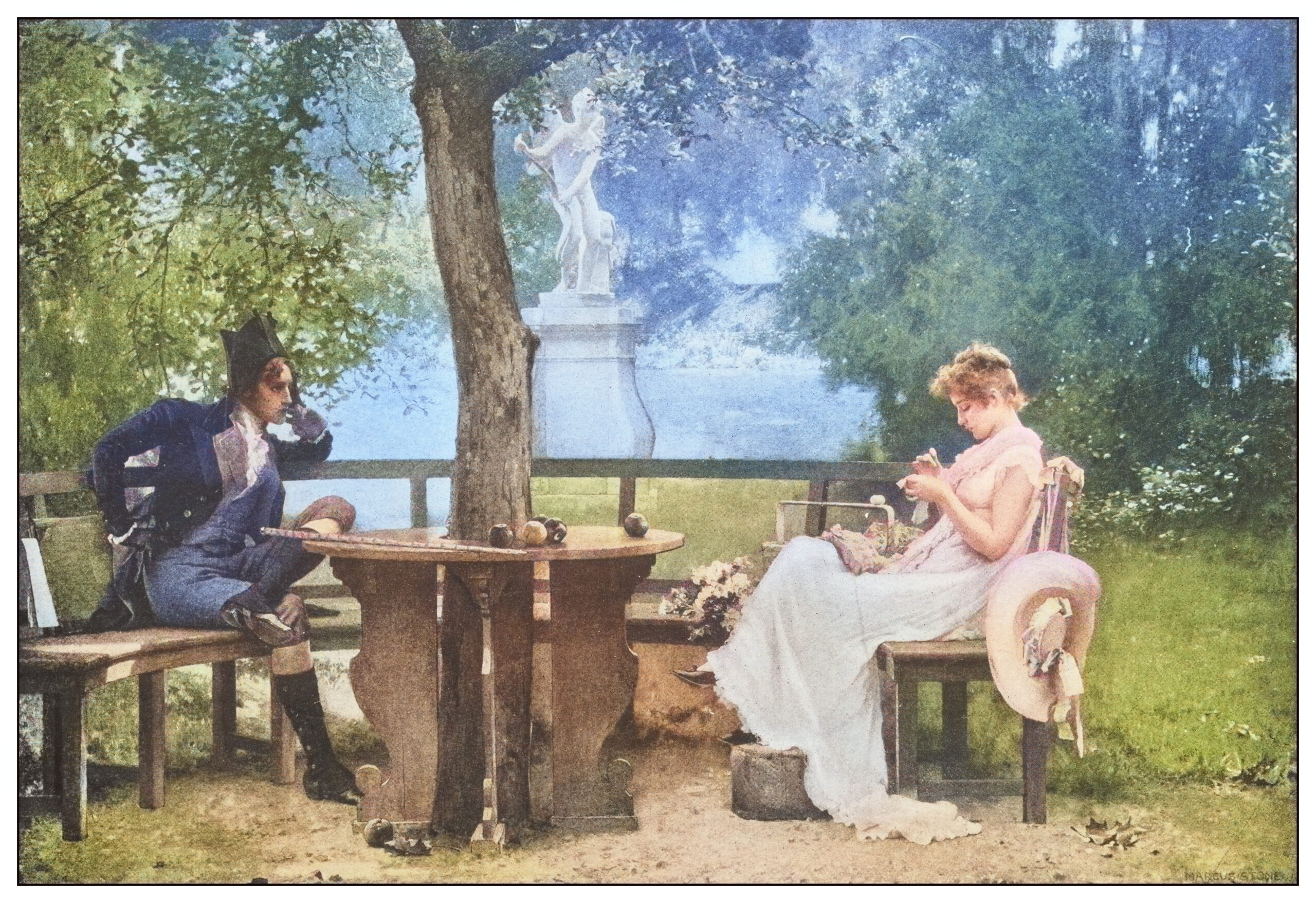
Shared interests are often considered a cornerstone of romantic compatibility. Yet, real-life relationships frequently thrive on differences as much as similarities. Experts suggest the belief in common ground can be more crucial than an extensive list of identical hobbies.
People naturally gravitate towards partners with similar backgrounds and lifestyles, a phenomenon known as homophily. Dating apps further streamline this search for sameness. However, research indicates our stated preferences often don’t match who we actually choose.
True compatibility hinges more on aligned core values and life goals than shared pastimes. Constant friction over fundamental issues is a greater threat than differing tastes in music or film. In fact, differing interests can enrich a relationship by introducing new perspectives.
Studies show perceived similarity strongly predicts relationship success. Actively focusing on shared experiences, however minor, fosters positive feelings. This conscious search for common ground is more productive than demanding pre-existing alignment.
The specific activities partners share matter less than the act of building them together. Relationships can be an “active construction process,” creating a unique couple identity through new, shared hobbies. This journey of discovery itself strengthens bonds.
Having separate interests is also healthy and normal. Not every passion needs to be mutual. Sometimes, a partner’s genuine curiosity about your separate world is more attractive than a mirrored hobby list. It represents a valued invitation into their life.
Ultimately, a fulfilling partnership may balance shared values with individual passions. It allows both partners to grow, sometimes together and sometimes apart. The curiosity to explore each other’s worlds can be the most exciting common ground of all.