

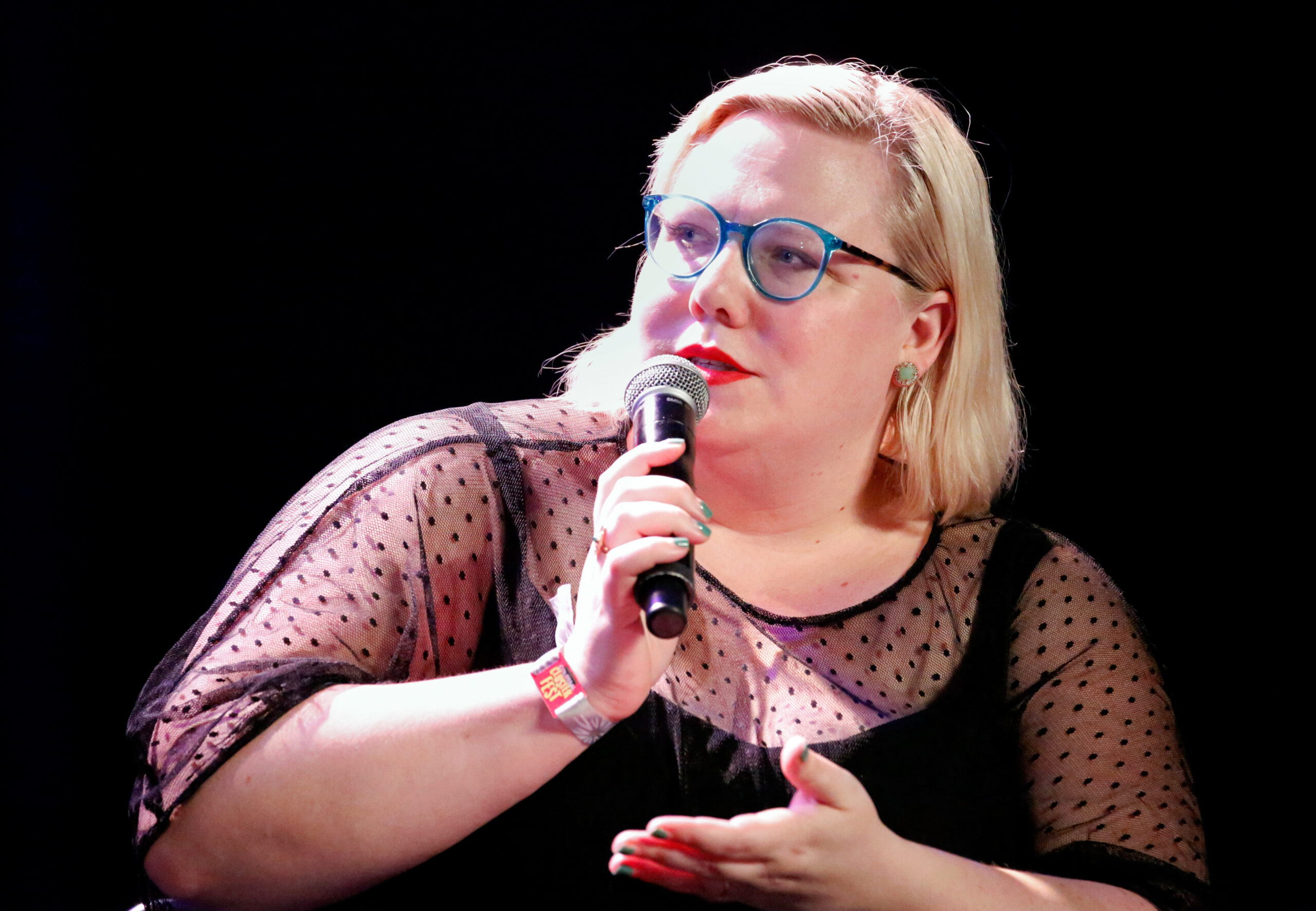
Lindy West’s new memoir, *Adult Braces*, has ignited intense debate online. The feminist writer details her journey into polyamory after her husband’s request to open their marriage. The book’s candid portrayal has drawn both support and sharp criticism from readers and commentators.
The memoir recounts a cross-country road trip that paralleled a profound shift in West’s personal life. It explores her initial reluctance and eventual acceptance of a polyamorous relationship structure with her husband, Aham. This deeply personal narrative has become a flashpoint for broader cultural conversations.
Some criticism has focused on aspects unrelated to the book’s core themes, such as West’s weight or her husband’s nonbinary identity. However, a more substantive debate centers on the dynamics described within the marriage itself. Many readers have questioned whether West’s entry into polyamory was fully consensual, using terms like “coercive.”
West describes Aham presenting polyamory as a condition for their marriage’s continuation. While she portrays herself as a hesitant participant initially, she firmly asserts her autonomy in the decisions that followed. The narrative complicates simple judgments, showing a partner being honest about their needs from the outset.
The story further evolves with the introduction of a third partner, Roya. West details how her relationship with Roya transformed from reticence to a deep romantic connection. This new dynamic fundamentally reshaped their family structure, with Roya eventually moving in with West and Aham.
In interviews, West has directly addressed coercion allegations, stating they are untrue. She positions the memoir as her personal truth, not an attempt to evangelize. For her audience, accustomed to her confident public persona, the book’s vulnerable portrait of anxiety and insecurity has been jarring.
The strong reactions may stem from readers seeing West as a proxy. Her personal choices feel intensely personal to a fanbase that has long identified with her. However, framing one individual’s complex relationship story as the “death of millennial feminism” is an overstatement. Social movements are broader and more flexible than any single memoir.