
The peak television era transformed fantasy storytelling, bringing epic tales of magic and power to the small screen. These series are celebrated for their expansive world-building and complex characters.
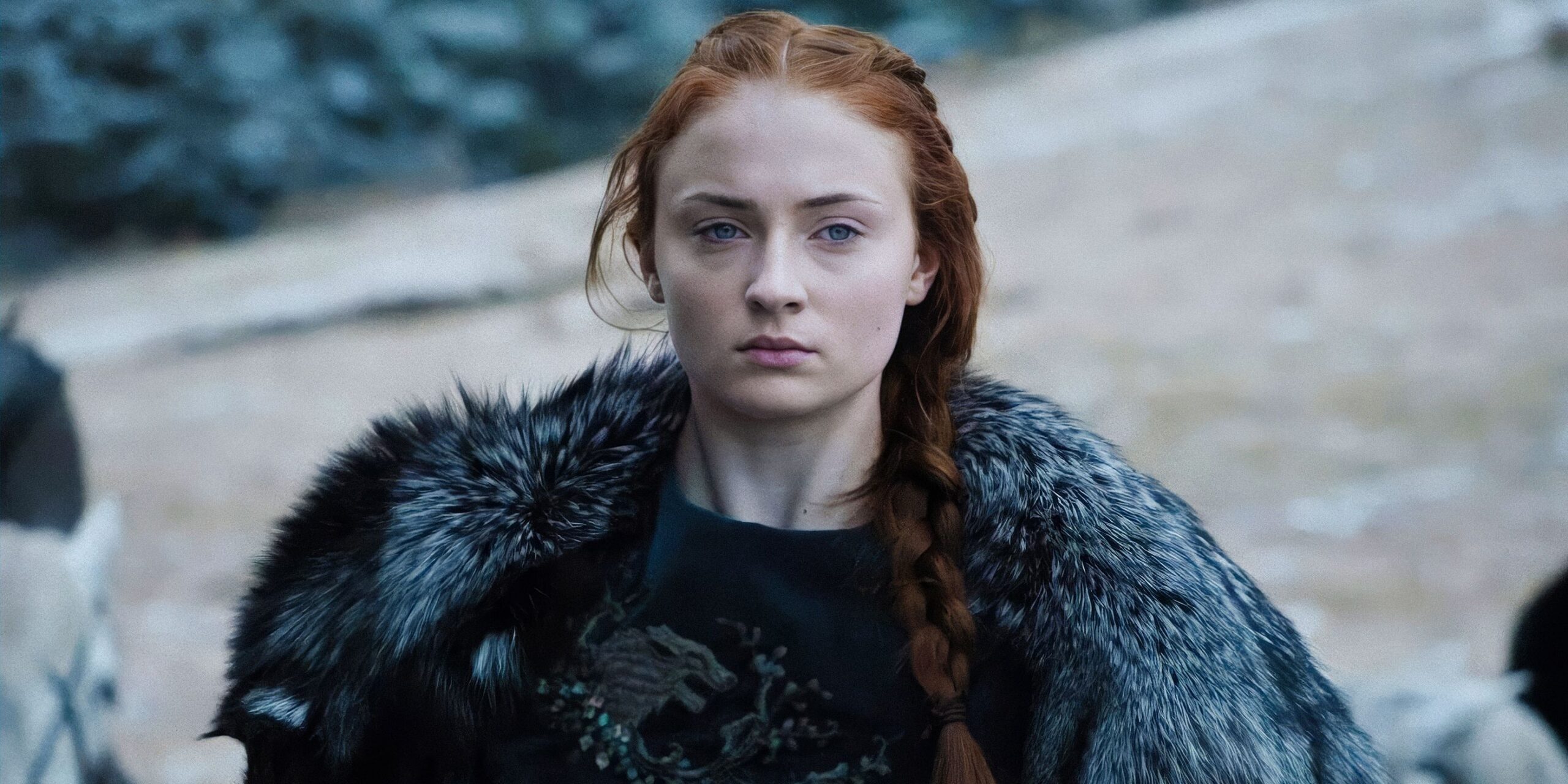
*Game of Thrones* redefined the genre’s scale and ambition, setting a high bar for political intrigue and production. Its cultural impact remains unmatched.
*The Witcher* successfully adapted beloved source material into a gritty, monster-filled saga anchored by a compelling central performance.
*His Dark Materials* offered a faithful and visually stunning interpretation of Philip Pullman’s classic novels, exploring profound philosophical themes.
*The Wheel of Time* demonstrates the potential for long-form, detailed world-building, drawing from one of fantasy’s most expansive book series.
*Good Omens* delivered a sharp, witty, and heartfelt take on apocalyptic humor, praised for its standout chemistry between the lead actors.
*The Dark Crystal: Age of Resistance* was a breathtaking feat of puppetry and artistry that expanded the original film’s mythology with emotional depth.
*Carnival Row* blended fantasy elements with noir mystery in a unique Victorian-inspired setting, exploring themes of immigration and class.
*The Outpost* built a loyal following with its classic fantasy adventures and resilient heroine, proving compelling stories can thrive on a modest budget.
*The Letter for the King* provided a well-crafted, family-friendly entry into the genre, focusing on classic themes of chivalry and heroism.
*Cursed* offered a fresh, revisionist take on Arthurian legend by centering the story on the Lady of the Lake, blending myth with coming-of-age drama.
Together, these series highlight the genre’s versatility and its ability to captivate audiences with immersive narratives and unforgettable worlds.