

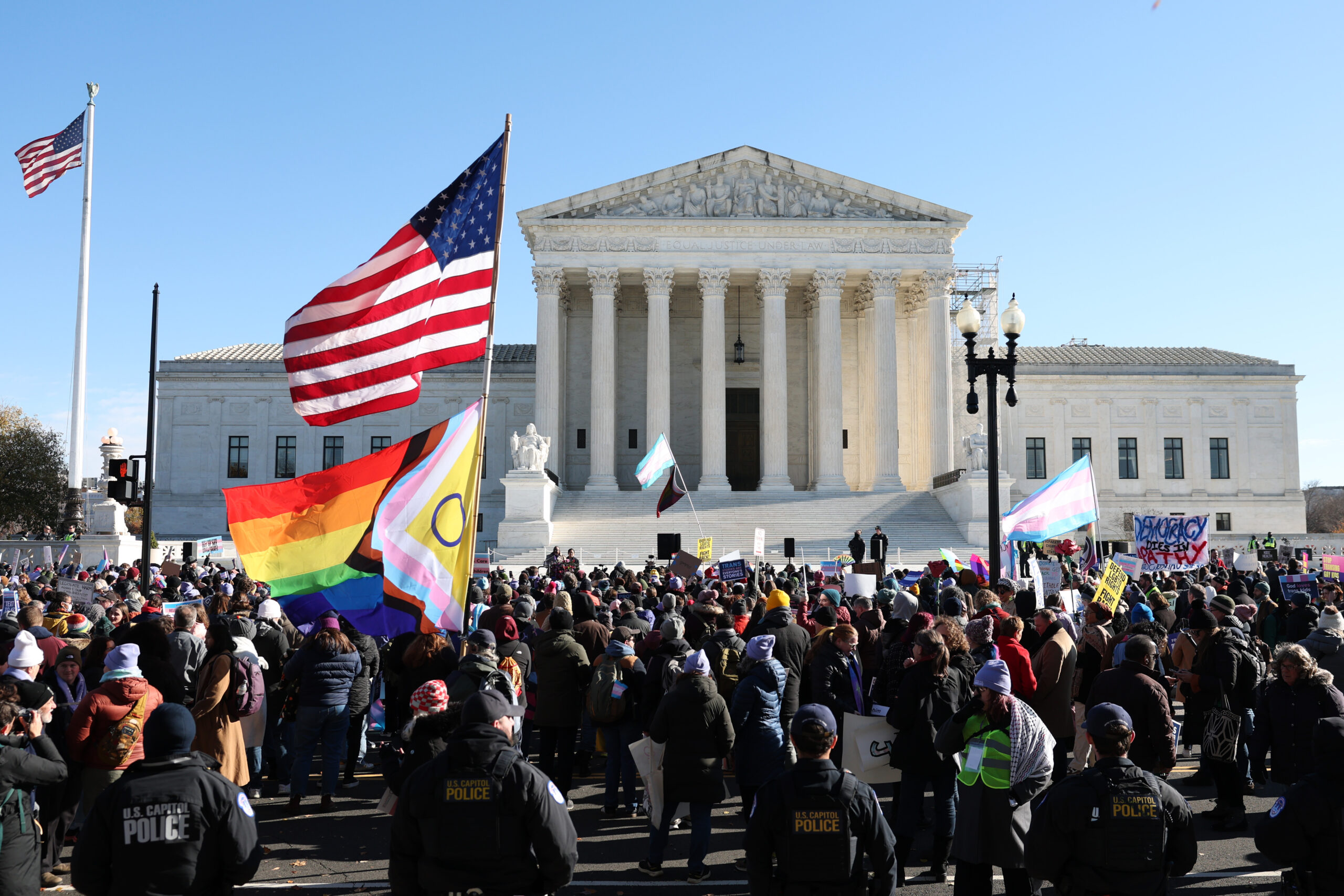
The Supreme Court has struck down a Colorado law banning licensed therapists from offering “conversion therapy.” The practice aims to change a patient’s sexual orientation or gender identity and is widely condemned by major medical associations.
In a decisive 8-1 ruling, the Court found the state’s prohibition violated the First Amendment’s free speech protections. The majority opinion, written by Justice Neil Gorsuch, centered on the concept of “viewpoint discrimination.”
The law was deemed unconstitutional because it restricted speech based on its content. It allowed therapists to affirm a client’s LGBTQ+ identity but prohibited any speech aimed at facilitating change. This selective regulation was viewed as government hostility toward a specific message.
Justices Sonia Sotomayor and Elena Kagan, part of the Court’s liberal wing, joined the conservative majority. In a concurring opinion, Kagan emphasized that laws engaging in viewpoint discrimination are among the most suspect under the Constitution.
The decision raises complex questions about regulating professional speech. Historically, states can sanction lawyers or doctors for giving dangerous advice. The Court attempted to balance free speech with professional accountability in its ruling.
Gorsuch’s opinion suggests malpractice lawsuits remain a recourse for harmed patients. However, a patient may need to demonstrate actual injury from following the advice before legal action is possible. This could delay accountability for discredited therapeutic practices.
The ruling does not create a free speech free-for-all for all professions. The opinion notes the government can still mandate factual disclosures and regulate speech tied to criminal conduct. Yet, it likely limits the power to proactively ban specific types of professional advice deemed harmful.