


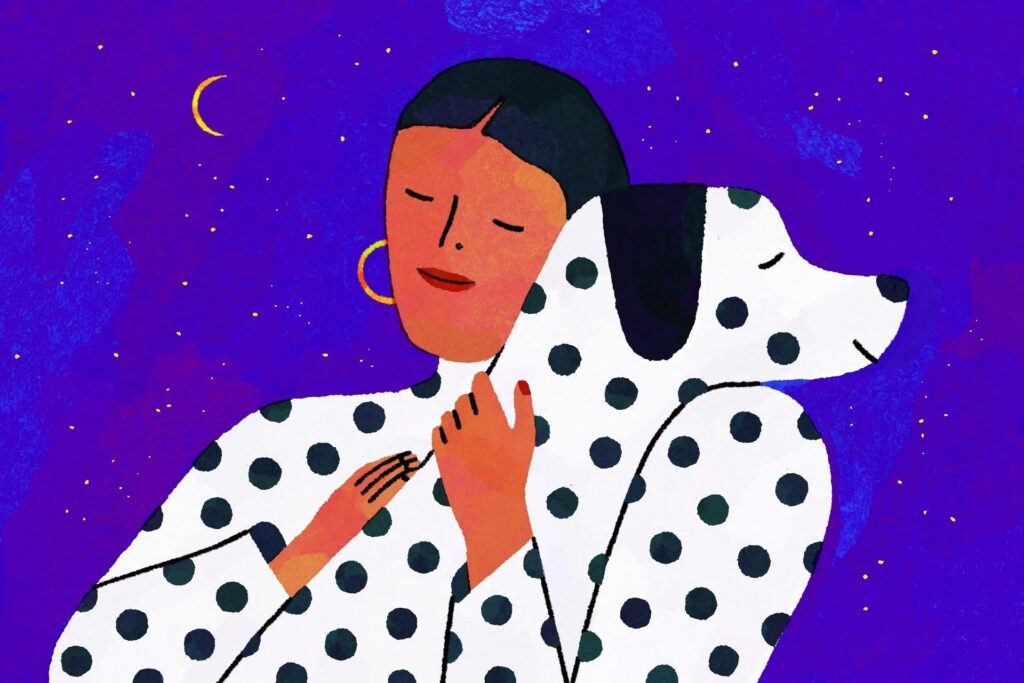
Many people cry unexpectedly when they see animals like donkeys. These reactions are involuntary and reveal a deep compassion that feels raw and foreign. Such moments suggest a mismatch between how society views animals and the actual connection people feel. Anthropocentrism teaches that humans are separate from nature and superior to it. This worldview treats animals, plants, land, and water as resources rather than beings to relate to.
Even people who are not pet owners may feel a creeping uncertainty about loving animals. They might wonder if their feelings of friendship and understanding with a pet are real. This week, friends had to put down their dog, which raised emotional and spiritual questions. Is it wrong to euthanize a loved family member? What happens to a dog when it dies? Does a dog have a soul? These questions challenge the modernist view that humans are separate and death is the end.
Christian theology has historically taught that animals are not equal to humans. Figures like Thomas Aquinas and René Descartes argued that animals lack an immortal soul. Doctrines like predestination further divided the world into separate spheres. This stratification placed humans above all creation, leading to desecration of nature and cruel factory farming. However, this is not the only Christian perspective.
Early Christian thinkers like Irenaeus and Origen imagined a different order. They believed God would regather all creation in a comprehensive redemption. All life, including pets and places, would be embodied again free from pain. This vision of union with all living things may explain the longing felt when seeing donkeys. It points to a future where humans and animals live peaceably together.
Hinduism sees humans and animals as inherently connected through the concept of Ātman. This shared essence dates back thousands of years and is described as soul, self, or ultimate essence. Whatever happens to a human happens to a dog, and vice versa. The Bhagavad Gita describes individual souls as eternal, immortal, and ageless. They are not destroyed when the body is destroyed.
Some spiritual practitioners, like medium Susan Allen, believe animals have a continuation of consciousness after death. She senses messages of gratitude and love from pets who have passed. This brings comfort to grieving owners, especially those who had to end a pet’s suffering. The sadness of losing a pet is the consequence of living with so much love.
Loving an animal deeply leads to inevitable grief, which may hold some people back from welcoming a pet. Becoming a vegetarian can open a window into seeing the truth of interconnectedness. Many traditions teach that all living things are inherently bound together. Separation is an illusion that fuels harm. A relationship with a companion animal can be a small anticipation of a redeemed future where humans and other animals live peaceably together.
This expanding circle of love does not have to stop with dogs. Embracing interconnectedness means embracing something sacred. The love between a human and their animal can be a bridge to a redemptive love for all living things. It connects people to every animal and to the fullness of life itself.