

A year into expanded immigration enforcement operations, the impact on American communities is becoming clear. The presence of federal agents has reshaped daily life, local economies, and social trust from coast to coast.
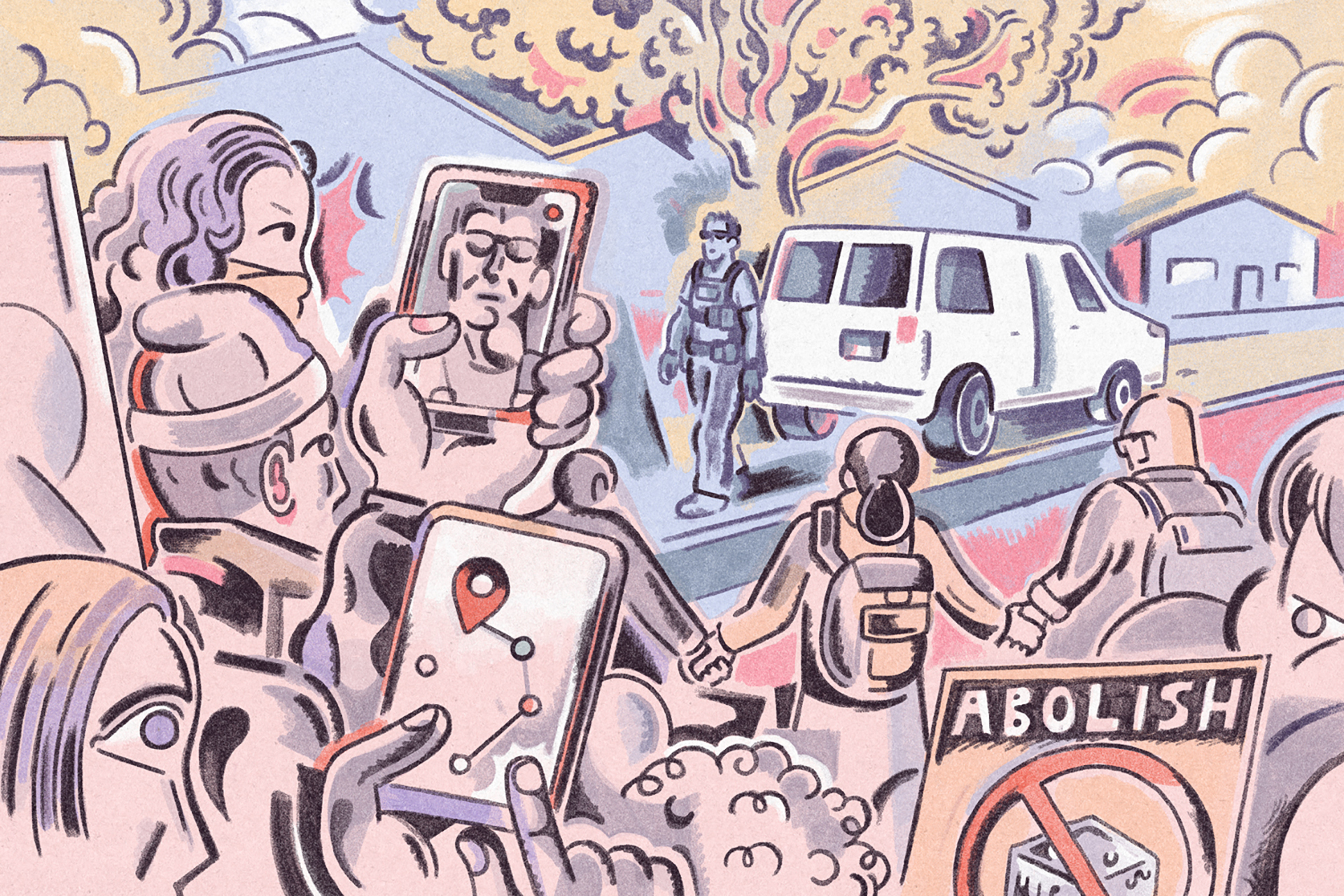
In cities like Charlotte, rumors of ICE operations sparked a new wave of local activism. Residents with no prior organizing experience began training to monitor agents, document interactions, and protect neighbors. Churches and community groups provided blueprints for action, shifting tactics as enforcement grew more aggressive.
The economic consequences have been severe. Business districts reliant on immigrant communities have seen dramatic declines. In Chicago’s Little Village, sales dropped by over half during enforcement surges, with some shops failing to make a single sale. The downturn has been compared to the economic shock of pandemic shutdowns, but without equivalent relief programs.
Nationally, the flow of immigrants has turned negative for the first time in fifty years. Analysts warn this could reduce consumer spending by tens of billions of dollars and increase costs in key industries like agriculture and construction.
Beyond economics, a pervasive sense of vigilance now marks many communities. Residents report changing daily routines, carrying identification at all times, and developing contingency plans for family members. This anxiety persists even among citizens and legal residents.
The enforcement actions have also altered family dynamics and community cohesion. Difficult conversations about detention and deportation plans are now commonplace. Some individuals have chosen to self-deport preemptively, while others keep children home from school or avoid public spaces.
Despite the fear, a sense of resilience has emerged. New networks of mutual aid and support have formed within neighborhoods and faith groups. Activists note a strengthened sense of unity across different segments of immigrant communities.
Political reactions to these policies have shifted. Polling shows declining approval for the administration’s immigration approach, particularly among Latino voters. This has prompted reported internal discussions about moderating enforcement tactics moving forward.