

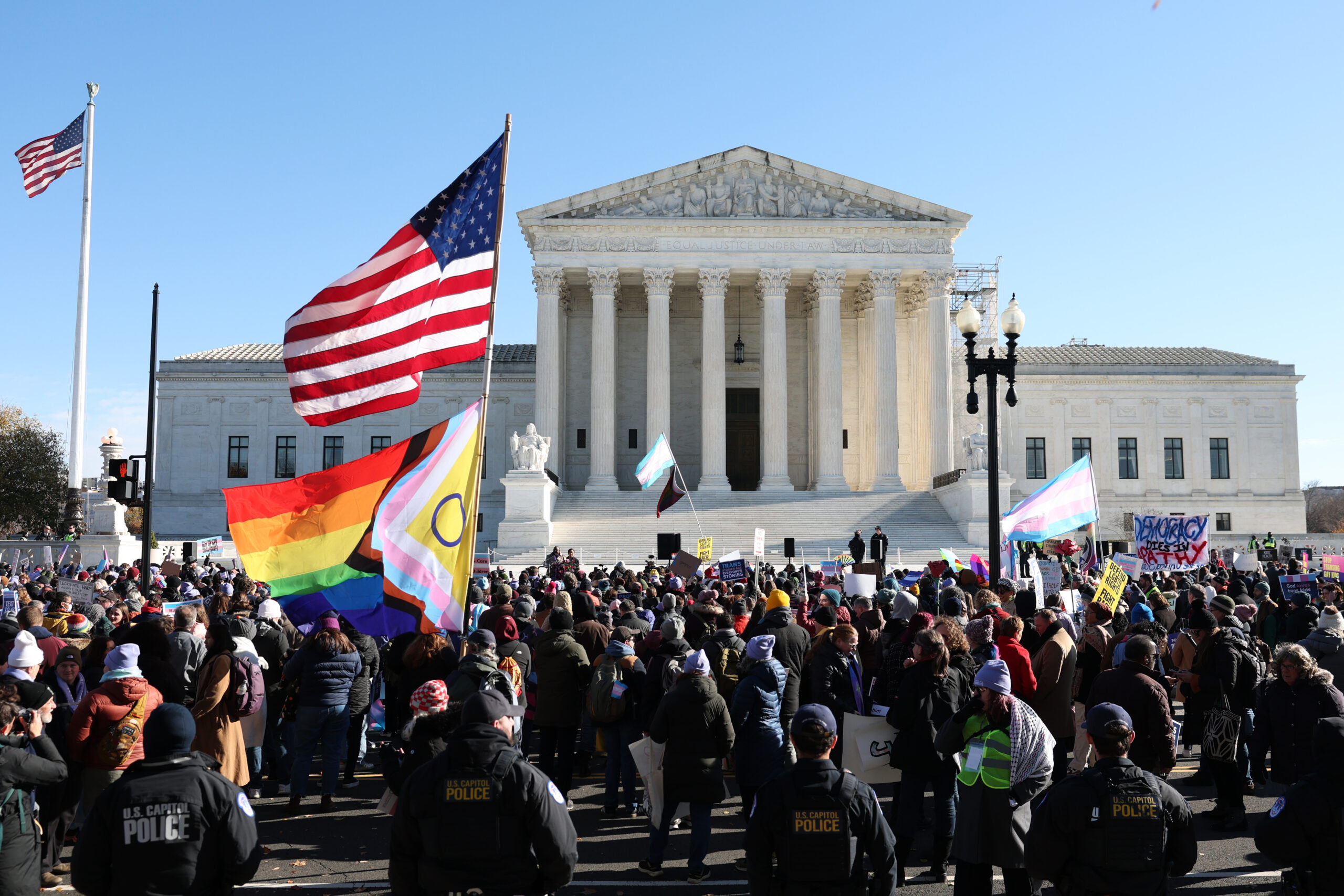
The Supreme Court has struck down a Colorado law banning licensed therapists from offering so-called “conversion therapy.” The 8-1 decision centered on First Amendment protections for professional speech.
Justice Neil Gorsuch authored the majority opinion, which found the Colorado statute constituted unconstitutional “viewpoint discrimination.” The law prohibited therapists from helping clients change sexual orientation or gender identity while allowing them to affirm those identities.
Justices Sonia Sotomayor and Elena Kagan joined the conservative majority. In a concurring opinion, Kagan emphasized the high constitutional bar against laws that regulate speech based on its specific viewpoint, describing such regulations as “the most suspect of all.”
The ruling does not endorse conversion therapy, which is broadly rejected by major medical associations. The American Psychological Association states the practice “puts individuals at a significant risk of harm.” The decision instead addresses the legal framework for regulating professional advice.
The Court’s opinion maintains that professionals can still face malpractice lawsuits if their advice causes actual harm. Patients must demonstrate injury resulting from a breach of the professional duty of care. State licensing boards also retain authority to discipline practitioners.
The decision raises questions about other professional speech regulations. It suggests governments may have less power to proactively ban specific advice, like a doctor recommending an unproven COVID-19 treatment, if the regulation is based on the viewpoint expressed.
Justice Ketanji Brown Jackson provided the sole dissent. The ruling leaves many professional regulations intact but establishes a stricter test for laws that target specific viewpoints, even when addressing potential harms.