

The Trump administration’s immigration enforcement actions have significantly altered daily life across the United States. A year into a major deportation program, the operations of ICE and Border Patrol have reshaped communities from coast to coast, affecting local economies, social trust, and civic engagement.
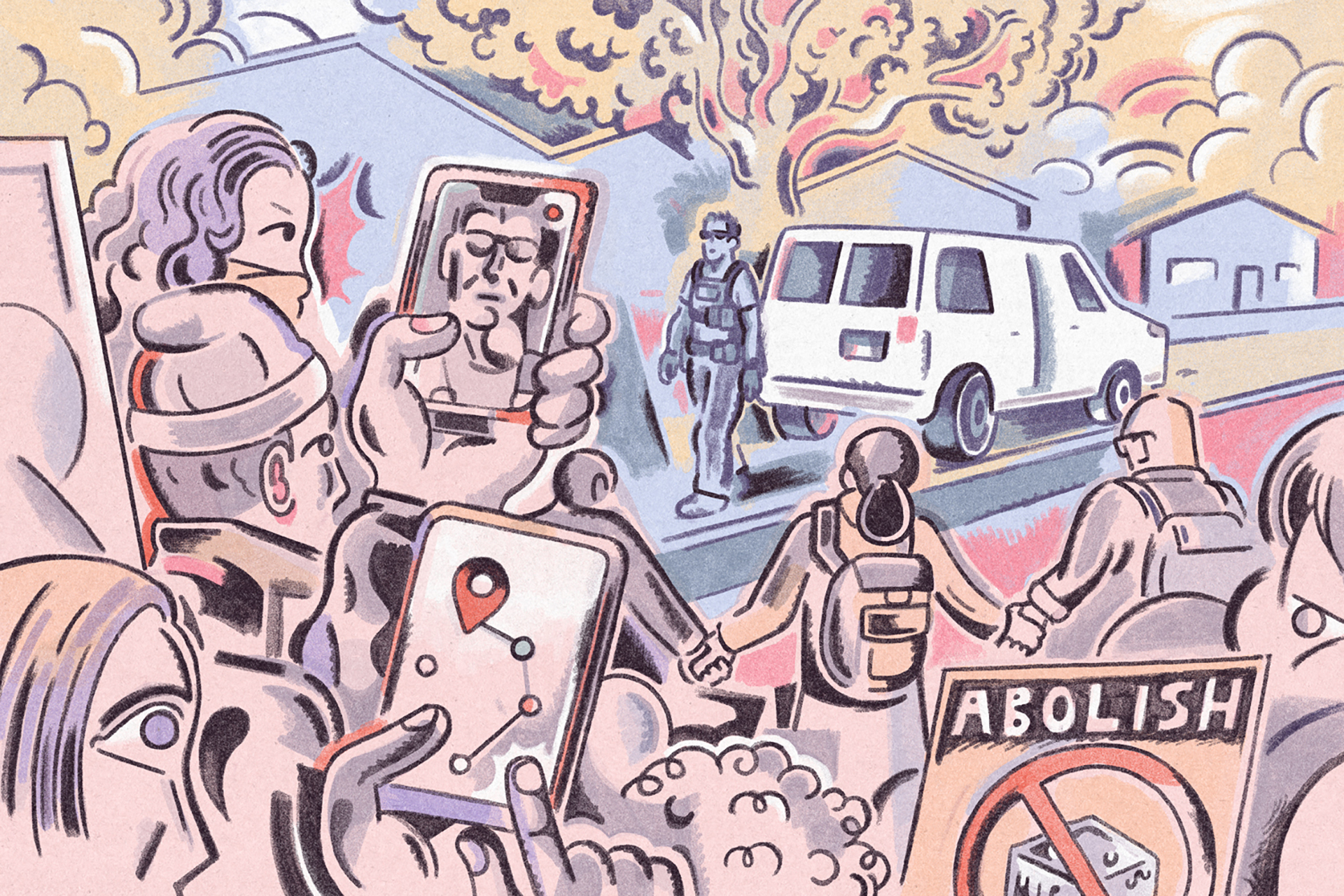
In cities like Charlotte, rumors of ICE surges sparked a new wave of local activism. Residents with no prior organizing experience, like Jonathan Pierce, began attending trainings to monitor federal agents. Churches and community groups provided blueprints for action, teaching de-escalation tactics and legal rights. This grassroots response created a network of citizen watchdogs prepared to document encounters and alert neighborhoods.
The economic impact has been severe, particularly in immigrant business corridors. Chicago’s Little Village, a major commercial hub, saw sales plummet by over half during enforcement operations. Tourists avoided the area, employees stayed home, and some shops closed temporarily. The local economic shock has been compared to the pandemic’s early days, but without equivalent federal relief programs to aid recovery.
Beyond commerce, a pervasive sense of fear has settled in many communities. Residents in places like Phoenix report changing daily routines, carrying identification documents at all times, and developing contingency plans for family members. This anxiety extends to citizens and legal residents, driven by reports of detentions across various immigration statuses.
The social fabric has been strained. Families discuss worst-case scenarios, from legal battles to funeral arrangements. Some individuals have chosen to self-deport preemptively, while others keep children home from school or avoid public spaces. This climate has eroded community trust and participation in civic life.
Despite the tension, a sense of resilience and unity has emerged in affected areas. The crisis has forged stronger bonds within faith communities and among neighbors. It has also mobilized previously apolitical residents into action, shifting focus toward broader economic and social concerns.
As the political landscape evolves, these communities remain watchful. Many expect enforcement operations to resume, but they also carry the hard-earned knowledge and organizational networks built during this period. The experience has left a lasting imprint, demonstrating how federal policy can fundamentally reshape local reality.