

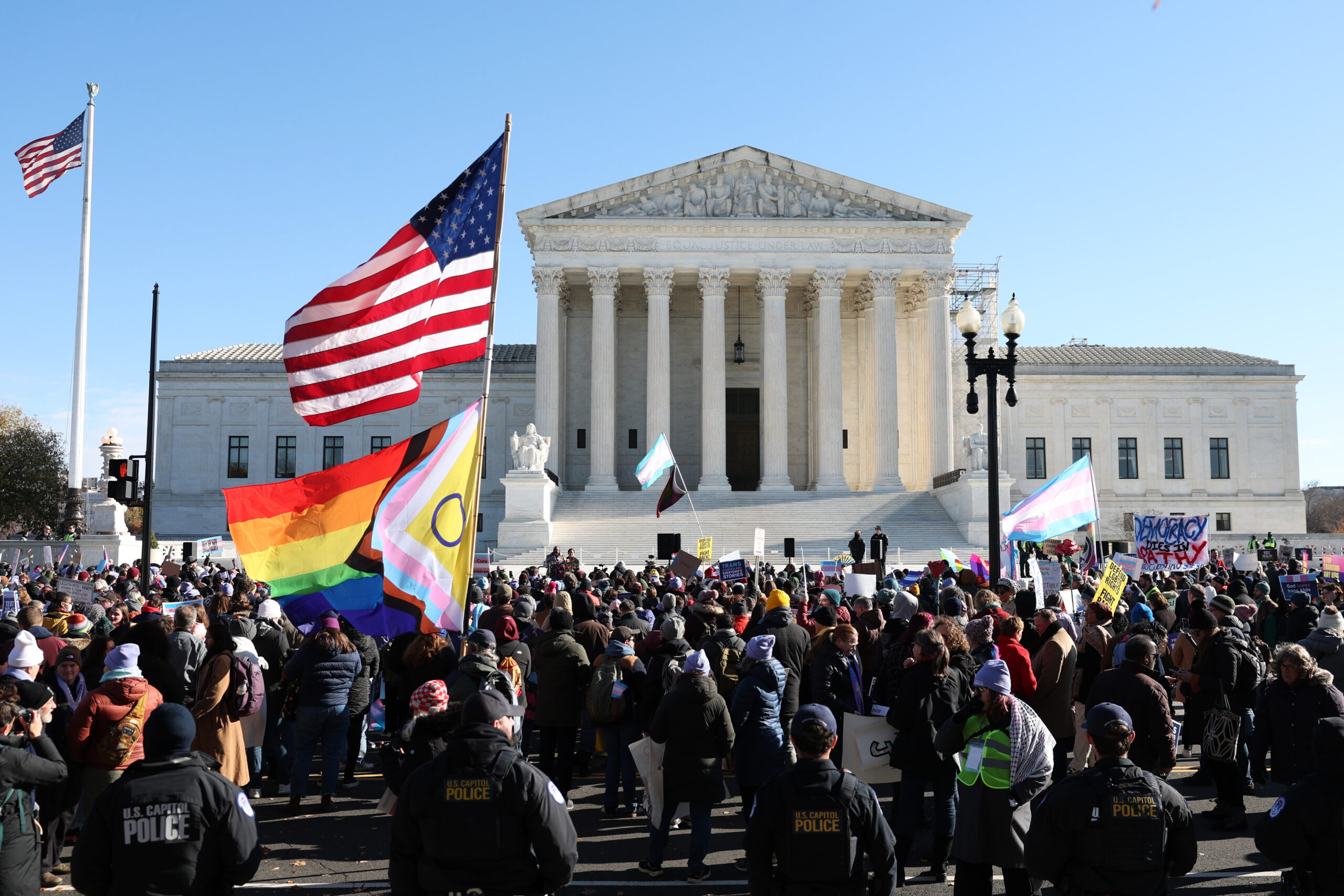
The Supreme Court has struck down a Colorado law banning licensed therapists from offering conversion therapy. The 8-1 decision centered on First Amendment protections for professional speech.
Justice Neil Gorsuch authored the majority opinion, joined by all conservative justices and two liberal justices. The ruling found the Colorado law constituted unconstitutional viewpoint discrimination by regulating speech based on its content.
The law prohibited therapists from helping clients change sexual orientation or gender identity, while allowing affirmation of those identities. The Court determined this selectively restricted certain viewpoints, violating free speech principles.
The decision does not endorse conversion therapy, which major medical organizations widely reject as harmful. Instead, it addresses the legal standard for regulating professional advice, prioritizing speech protections over preventative bans.
Justice Ketanji Brown Jackson provided the sole dissent. Justices Sonia Sotomayor and Elena Kagan concurred separately, agreeing the law’s viewpoint-based approach failed constitutional scrutiny.
The ruling limits states’ ability to proactively ban specific therapeutic conversations. It suggests malpractice suits remain available after patients suffer demonstrable harm from professional advice.
This case establishes that licensed professionals retain strong First Amendment rights. The decision may influence future regulations on medical and legal speech, balancing free expression against professional oversight.