

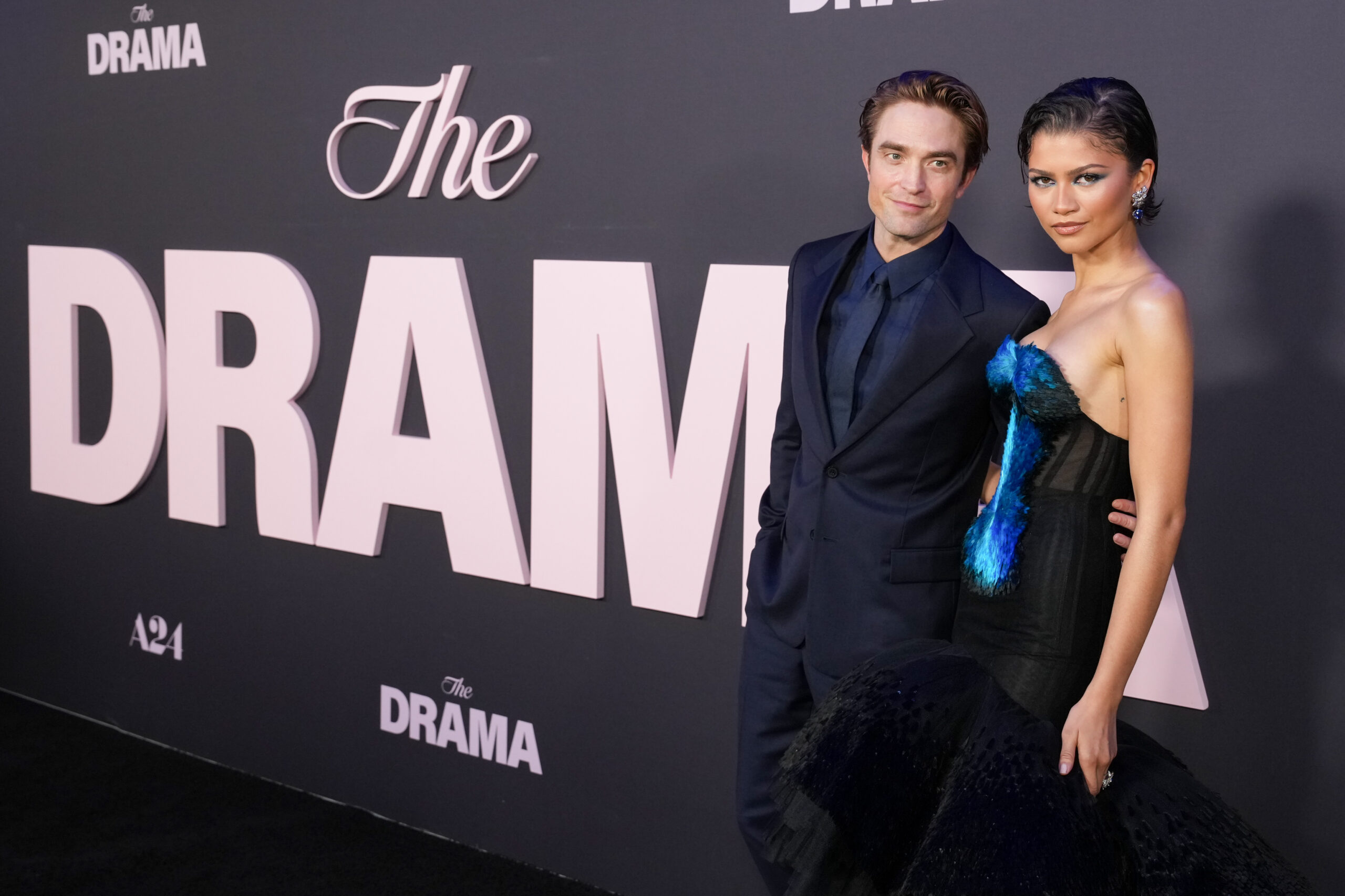
The marketing campaign for A24’s “The Drama” has ignited debate. Promotional materials heavily featured wedding imagery, leading audiences to expect a romantic comedy centered on matrimony. This focus has sparked questions about whether the campaign was intentionally misleading.
The film itself, however, unfolds as a tense psychological thriller. Its plot diverges significantly from the lighthearted wedding narrative suggested by the ads. This stark contrast between expectation and reality is at the core of the current controversy.
Industry analysts are split on the strategy. Some critics argue the campaign betrayed audience trust by presenting a false premise. They suggest such tactics risk damaging viewer goodwill and the studio’s reputation for innovative storytelling.
Conversely, other marketing experts see a calculated and successful masterclass in buzz generation. The dramatic shift from promo to plot has dominated social media and news cycles, driving significant conversation and curiosity. This guaranteed the film a level of attention a more straightforward campaign might not have achieved.
The discussion touches on broader ethical questions in film promotion. It highlights the fine line between creating intriguing mystery and fundamentally misrepresenting a product. Where that line is drawn remains subjective.
From a commercial perspective, the campaign has undeniably made the film a talking point. Whether this translates to long-term box office success or audience satisfaction is still being measured. The outcome may influence how studios market unconventional narratives in the future.
Ultimately, the campaign for “The Drama” has proven that in today’s media landscape, the conversation around a film can be as pivotal as the content itself. The debate over its marketing is likely to continue as more viewers see the film and judge the disconnect for themselves.