

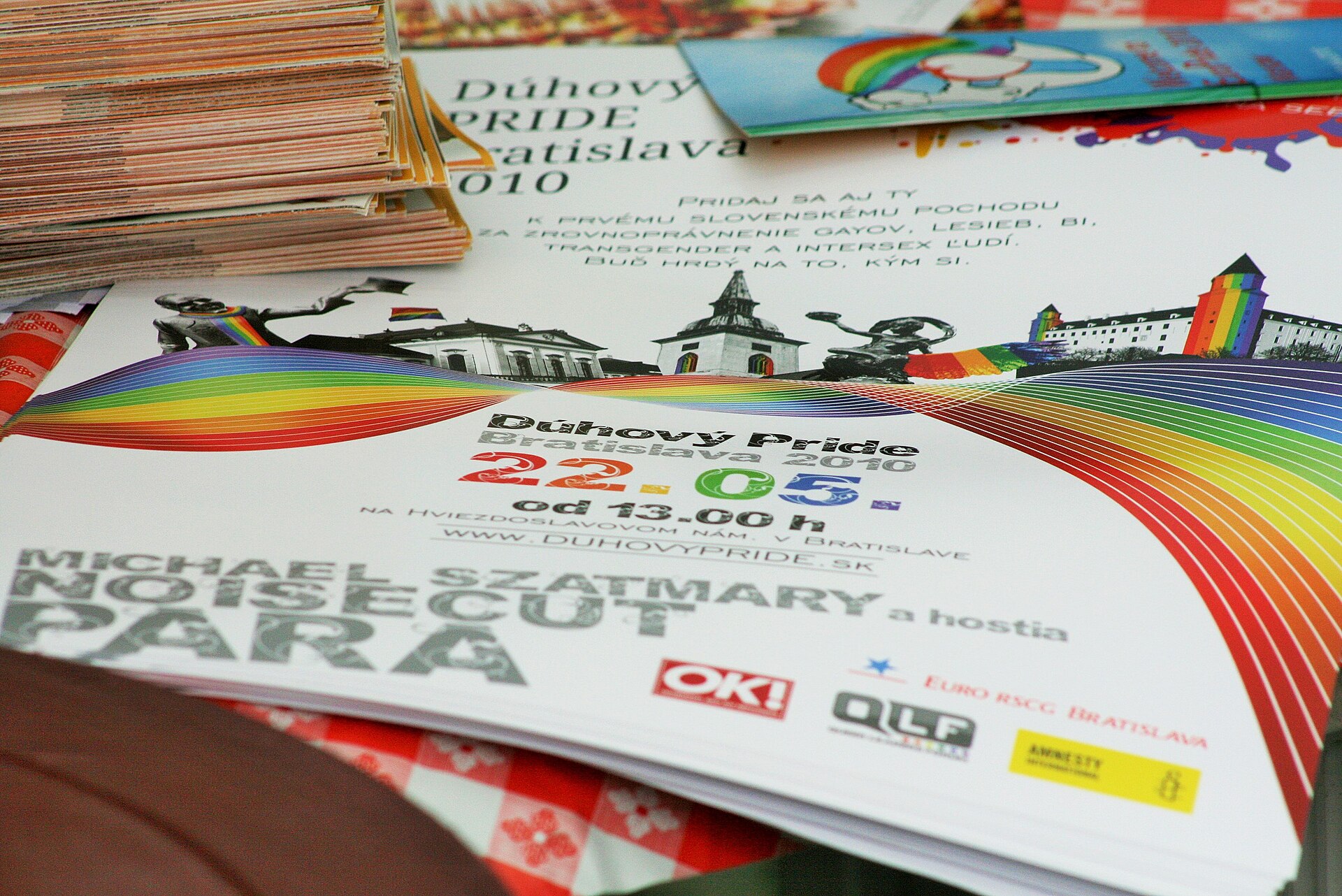
The fall of the Iron Curtain in 1989 did not bring immediate liberation for LGBTQIA+ individuals in Slovakia. Emerging from a socialist era that actively stigmatized queer identities, the community faced a new landscape of political and social adversity. The transition to democracy presented both fragile opportunities and entrenched opposition.
Two veteran activists recently examined this complex post-revolutionary period. Their reflections trace a decades-long campaign for basic recognition and equal rights. The journey has been marked by incremental legal battles and persistent public advocacy.
Initial hopes for rapid progress after the Velvet Revolution were often tempered by reality. Early attempts to organize and gain visibility met with significant resistance from conservative factions and a largely uninformed public. The activists describe a society grappling with newfound freedoms while clinging to traditional social structures.
The fight has centered on fundamental legal protections, including partnership recognition and anti-discrimination laws. These efforts have frequently collided with powerful institutional forces, notably the influential Catholic Church and nationalist political movements. Each legislative proposal has sparked intense national debate.
Despite these challenges, the activists highlight a resilient and evolving community. Grassroots organizations have provided crucial support networks and education. Cultural visibility has slowly increased, fostering greater understanding among younger generations and in urban centers.
Yet, the campaign for equality remains as necessary as ever. Recent years have seen a rise in hostile rhetoric and political maneuvers aiming to roll back proposed protections. The activists argue that the foundational work of building acceptance is far from complete.
Their account underscores a continuous struggle for dignity in a changing nation. It serves as a reminder that legal and social freedom for queer Slovaks is an ongoing project, demanding vigilance and sustained solidarity.