

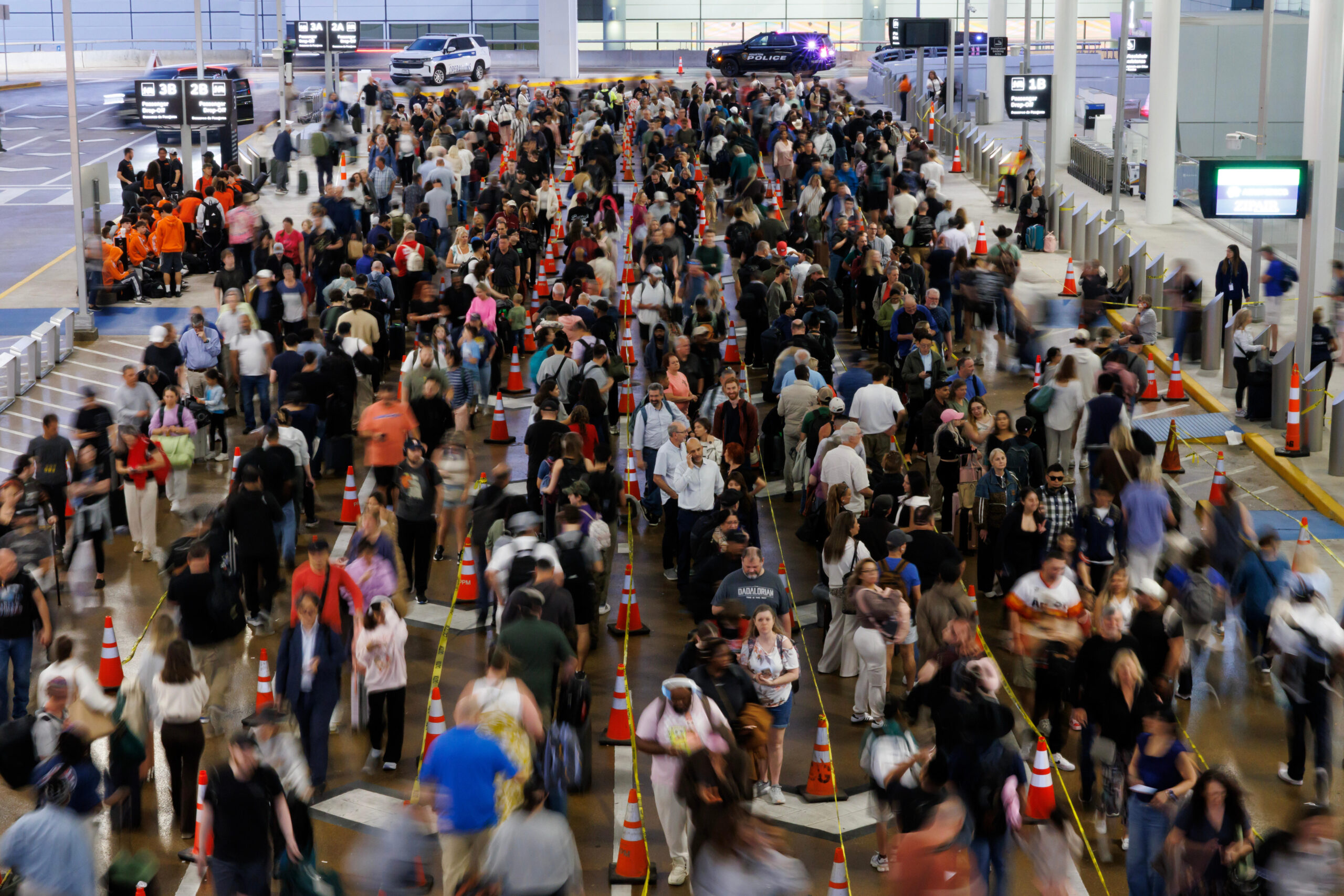
American air travel faces a deepening crisis, extending beyond recent security line chaos. While those immediate delays are easing, fundamental issues of safety, reliability, and staffing shortages persist, leaving passengers to navigate a strained system.
The problems are multifaceted. Airlines have long offered a diminished passenger experience, but recent years have introduced more severe operational challenges. A string of alarming safety incidents has compounded traveler anxiety, raising questions about overall system integrity.
Security screening, a major pain point, was severely impacted by the recent partial government shutdown. Thousands of TSA agents worked without pay, leading to increased absences and resignations that created nationwide bottlenecks. Although backpay has been issued, the underlying model remains under scrutiny.
One proposed solution involves privatizing airport security. Advocates, including some conservative think tanks, argue that contracting this work could boost efficiency and avoid future shutdown disruptions. This model is already used at approximately 20 U.S. airports.
However, privatization does not address the aging infrastructure at the core of many delays. The Federal Aviation Administration states 80 percent of the nation’s air traffic control systems are obsolete, relying on decades-old radar and equipment where replacement parts are sometimes sourced from online auctions.
Staffing presents another critical shortage. The FAA reports being approximately 3,000 air traffic controllers short nationwide. This deficit can impact safety and performance, as highlighted by a recent incident at LaGuardia Airport involving limited controller staffing.
With no comprehensive fix in sight, travelers bear the burden. Airports continue advising early arrival, while some passengers consider alternatives like rail. Yet, America’s passenger rail system faces its own significant challenges, leaving fliers with few reliable options.