

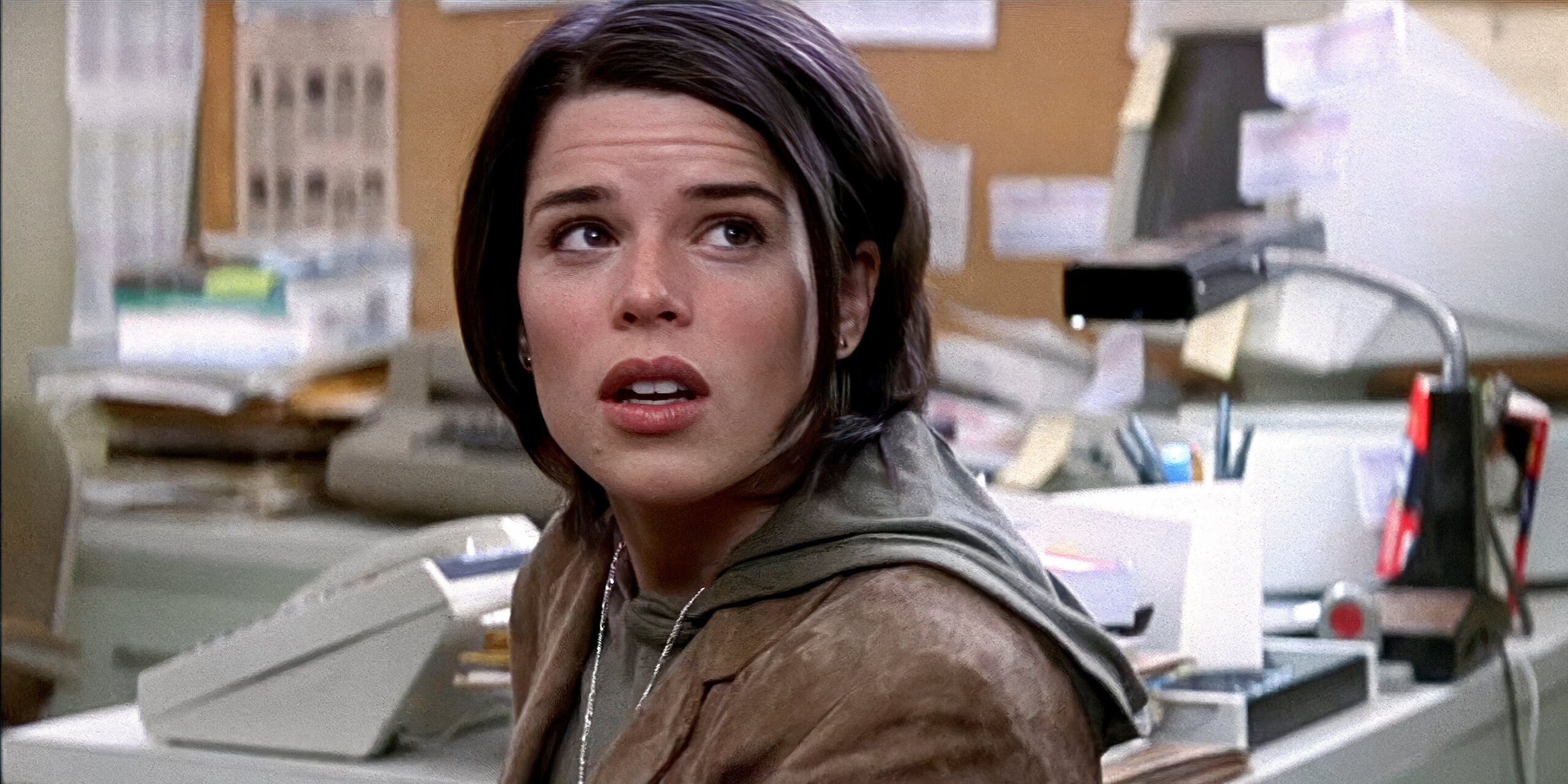
Twenty-six years ago, “Scream 3” arrived in theaters. It is frequently considered the weakest entry in Wes Craven’s seminal slasher series. Yet, the film presented a narrative that was remarkably prescient.
Its plot revolves around a Hollywood horror film production haunted by a new Ghostface. The story delves into a hidden history of sexual predation within the industry. This theme was explored years before the #MeToo movement gained global prominence.
The movie uses its meta-horror framework to critique systemic abuse of power. It focuses on a powerful producer who exploits aspiring actresses. This storyline moves beyond simple scares to offer a pointed social commentary.
While the film’s execution has its flaws, its core subject matter was ahead of its time. It directly addressed the culture of silence and complicity in Hollywood. This gave the sequel a substantive layer often missing in slasher fare.
The franchise has always mirrored societal fears, from media obsession to toxic fandom. “Scream 3” uniquely targeted the predatory underbelly of entertainment itself. Its attempt to grapple with this issue deserves renewed recognition.
In retrospect, the film serves as an unexpected cultural artifact. It highlighted issues that would later erupt into a worldwide conversation. This elevates its standing beyond its initial mixed reception.
Today, viewers can see “Scream 3” as a flawed but fascinating piece of horror history. It proves that even franchise entries can contain unexpected depth. Its quiet commentary on abuse remains its most enduring and relevant feature.